 Cosmetic, Implant and General Dentistry
Composite Bonding
Composite bonding uses the same tooth-coloured material as a white filling, but applied cosmetically to fix a chip, close a small gap, or reshape a tooth usually completed in a single visit. It's one of the most conservative cosmetic treatments we offer to patients across Luton, and one of the quickest ways to make a small but noticeable change to your smile.
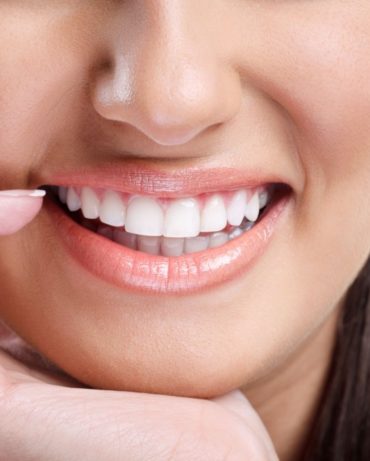
Chips, Gaps and Small Fixes: What Bonding Handles
Bonding works well for a chipped edge, a small gap between front teeth, a tooth that’s slightly shorter or a different shape to its neighbour, or minor discolouration on an individual tooth. It’s a good option when the change needed is small and localised. For more widespread changes across several teeth, your dentist may suggest veneers instead, which tend to give a more uniform, longer-lasting result across multiple teeth.
Bonding Compared to Veneers and Whitening
Unlike a veneer, bonding doesn’t require any enamel to be removed, which makes it more conservative and easier to reverse. It’s also typically completed in one appointment rather than two. Unlike whitening, which changes the shade of your natural enamel, bonding changes the shape or colour of a specific tooth using an added material; the two are sometimes used together.
In the Chair: What Bonding Involves
Your dentist applies the composite resin in layers directly onto the tooth, shaping it to blend with your natural teeth, and sets each layer with a curing light before polishing the finished result. No anaesthetic is usually needed. Bonded teeth are cared for exactly like natural teeth, though it’s worth avoiding biting directly into very hard foods, since the material can chip under heavy force.
Composite bonding fees
| Treatment | Fee |
|---|---|
| Composite Bonding (per tooth) | Price on consultation — see note below |
1. What is composite bonding?
Composite bonding uses a tooth-coloured resin — the same material used in white fillings — applied to the front of a tooth to change its shape, close a gap, or cover a chip. It’s shaped and polished to blend with your natural tooth.
2. What can composite bonding fix?
Bonding works well for small chips, minor gaps between front teeth, slightly uneven tooth shapes, and localised discolouration. For more widespread changes across several teeth, your dentist may suggest veneers instead.
3. Is composite bonding painful?
Bonding is generally a comfortable procedure, and anaesthetic usually isn’t needed since no drilling into the tooth is typically required. Some patients notice mild, temporary sensitivity afterwards, which usually settles quickly.
4. How long does composite bonding take?
Most composite bonding is completed in a single appointment, often within an hour or so depending on how many teeth are being treated.
5. How long does composite bonding last?
This varies from patient to patient depending on habits such as teeth grinding, diet, and how the bonding is cared for. It isn’t guaranteed to last a specific length of time, but chips or wear can usually be repaired or touched up rather than requiring the whole treatment to be redone.
6. Can composite bonding be removed or reversed?
Yes — because bonding doesn’t usually require any enamel to be removed, it’s one of the more reversible cosmetic treatments. If you’re unhappy with the result or want it removed later, this is generally more straightforward than with a veneer.
7. Does composite bonding stain?
Composite resin can pick up staining over time, particularly with coffee, tea, red wine, or smoking — similar to natural enamel. Good oral hygiene and avoiding heavy staining habits help keep it looking its best for longer.
8. How much does composite bonding cost in Luton?
Pricing depends on how many teeth are being treated and the complexity of the work, so we assess this at a consultation rather than quoting a flat fee. Please contact us for a current estimate.
9. Is composite bonding the same as a veneer?
No. A veneer is a separately made porcelain shell bonded onto a tooth after some enamel is removed, usually over two visits. Composite bonding is built up directly on the tooth by your dentist, usually in one visit, without removing enamel.
10. How do I look after my composite bonding?
Treat bonded teeth like your natural teeth — brush and floss as normal, and attend your regular check-ups. It’s sensible to avoid biting directly into very hard foods, as this can chip the material.