 Cosmetic, Implant and General Dentistry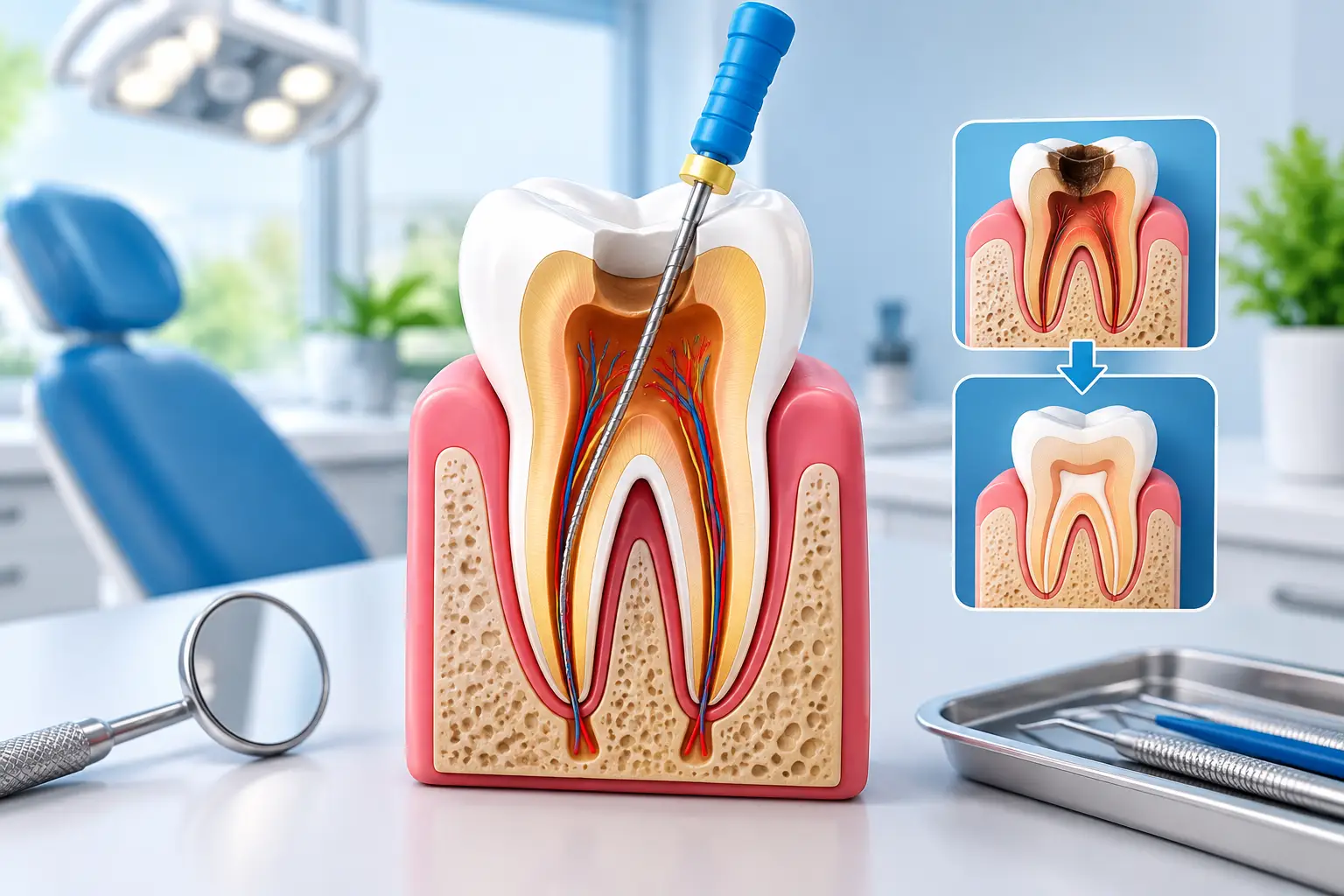
A toothache that keeps you awake, hurts when you bite or makes a hot drink unbearable is more than an inconvenience. It can be a sign that the soft tissue inside the tooth has become inflamed or infected. Root canal treatment Luton patients can access promptly may relieve the pain, stop infection spreading and, most importantly, help keep the natural tooth in place.
Many people hear the words “root canal” and expect a difficult experience. Modern treatment is designed to be comfortable, carefully planned and no more daunting than other routine dental procedures. The real concern is usually delaying care until pain, swelling or damage becomes harder to manage.
What root canal treatment actually does
Inside every tooth is a small space containing dental pulp, made up of nerves and blood vessels. Deep decay, a crack, a large old filling, repeated dental work or an injury can allow bacteria to reach this area. Once the pulp is badly inflamed or infected, the tooth is unlikely to heal by itself.
Root canal treatment, also called endodontic treatment, removes the damaged pulp and bacteria from inside the tooth. The fine internal canals are cleaned, shaped and sealed to prevent reinfection. Your dentist then restores the tooth, usually with a filling or, where additional strength is needed, a crown.
The aim is straightforward: remove the source of infection while retaining as much healthy natural tooth structure as possible. This can be a preferable option to extraction, particularly for a tooth that has a healthy root and can be predictably restored.
When to arrange an urgent dental appointment
Not every painful tooth needs root canal treatment, but certain symptoms deserve an assessment without delay. Persistent or throbbing pain is a common warning sign, especially if it becomes worse at night or after hot and cold food and drinks. Pain when chewing, facial swelling, a tender gum near one tooth, a bad taste in the mouth or a tooth that has darkened can also point to a problem within the tooth.
Sometimes an infected tooth causes very little pain. A small swelling or pimple-like spot on the gum may appear and disappear, while the infection remains around the root. This is why a dental examination and X-rays matter. They show what cannot be seen by looking at the tooth alone, including changes around the root and the extent of decay.
If swelling is spreading, you have difficulty swallowing or breathing, or you feel generally unwell, seek urgent medical help. For more localised dental pain and swelling, a same-day dental assessment can help establish the right treatment and provide relief.
What happens during root canal treatment in Luton
Your first visit begins with a conversation about your symptoms, medical history and concerns. Your dentist examines the tooth, takes any necessary X-rays and explains whether root canal treatment is the most suitable route. Occasionally, a tooth may be too fractured or too weak to save. In other cases, the infection may be treated successfully but the tooth will need a crown afterwards to protect it from breaking.
Once treatment is agreed, the tooth and surrounding area are numbed with local anaesthetic. You should not feel pain during the procedure, although you may notice pressure or vibration. A small protective sheet is often placed around the tooth to keep the area clean and dry.
The dentist creates a carefully controlled opening, removes the inflamed or infected tissue and cleans the root canals with fine instruments and disinfecting solutions. Depending on the tooth and the level of infection, this may be completed in one visit or spread over two appointments. A temporary dressing may be used between visits when more time is needed for the tooth to settle.
At the final stage, the canals are sealed and the tooth is restored. Front teeth and smaller teeth can sometimes be protected with a high-quality filling. Back teeth take much heavier biting forces, so a crown is often recommended after treatment, especially where there has been extensive decay or an old large filling.
Is root canal treatment painful?
This is the question nearly every nervous patient asks. The infection itself is often far more uncomfortable than the treatment used to remove it. With effective local anaesthetic, most patients describe the appointment as similar to having a filling, although it can take longer because the work is precise.
It is normal for the tooth and surrounding area to feel tender for a few days afterwards, particularly when biting. Your dentist will advise on suitable pain relief and how to care for the area. If pain becomes severe, swelling develops or symptoms do not improve, contact the practice so the tooth can be checked.
Feeling anxious about dental treatment is common and nothing to be embarrassed about. Let the team know before your appointment. Clear explanations, regular check-ins and a calm pace can make a substantial difference. At U Smile Dental, consultations can also be communicated in English, German, Spanish, Persian or Romanian, helping patients understand their options clearly and feel more at ease.
Why saving the tooth can be worth it
Extraction may seem like the quicker answer when a tooth is painful, but losing a tooth has practical consequences. Nearby teeth can drift into the gap, chewing can become less comfortable and the opposing tooth may over-erupt over time. Replacing a missing tooth later with a bridge, denture or implant can also involve further treatment and cost.
A successful root canal allows you to continue using your own tooth. It preserves your natural bite and avoids the need for an immediate replacement. That said, it depends on the condition of the tooth. If decay extends too far below the gum line, the root is badly fractured or there is insufficient healthy tooth left to support a restoration, removal may be the more predictable choice. A good dentist will discuss both the clinical outlook and the costs before you decide.
Looking after a tooth after treatment
Treat a newly restored tooth gently until numbness has worn off, and avoid chewing hard foods on it until your dentist confirms the final restoration is complete. Once it is restored, care for it as you would any other tooth: brush twice daily with fluoride toothpaste, clean between the teeth and attend regular dental check-ups.
A root-treated tooth cannot feel temperature in the same way because the nerve has been removed, but it can still develop decay, gum disease or a fracture. Strong oral hygiene and a well-fitted final filling or crown are essential to its long-term success. If you clench or grind your teeth, a protective night guard may also be worth discussing.
Choosing the right time to act
Dental pain has a habit of becoming urgent at the least convenient moment. Waiting for it to fade can allow infection to progress and may reduce the chance of a simpler restoration. Early assessment gives you more options, whether the answer is a root canal, a new filling, a crown or another form of care.
If a tooth is keeping you from eating, sleeping or smiling comfortably, arranging an appointment is a practical first step. Prompt, professional care can turn a painful problem into a tooth that feels settled, functions well and remains part of your smile for years to come.