 Cosmetic, Implant and General Dentistry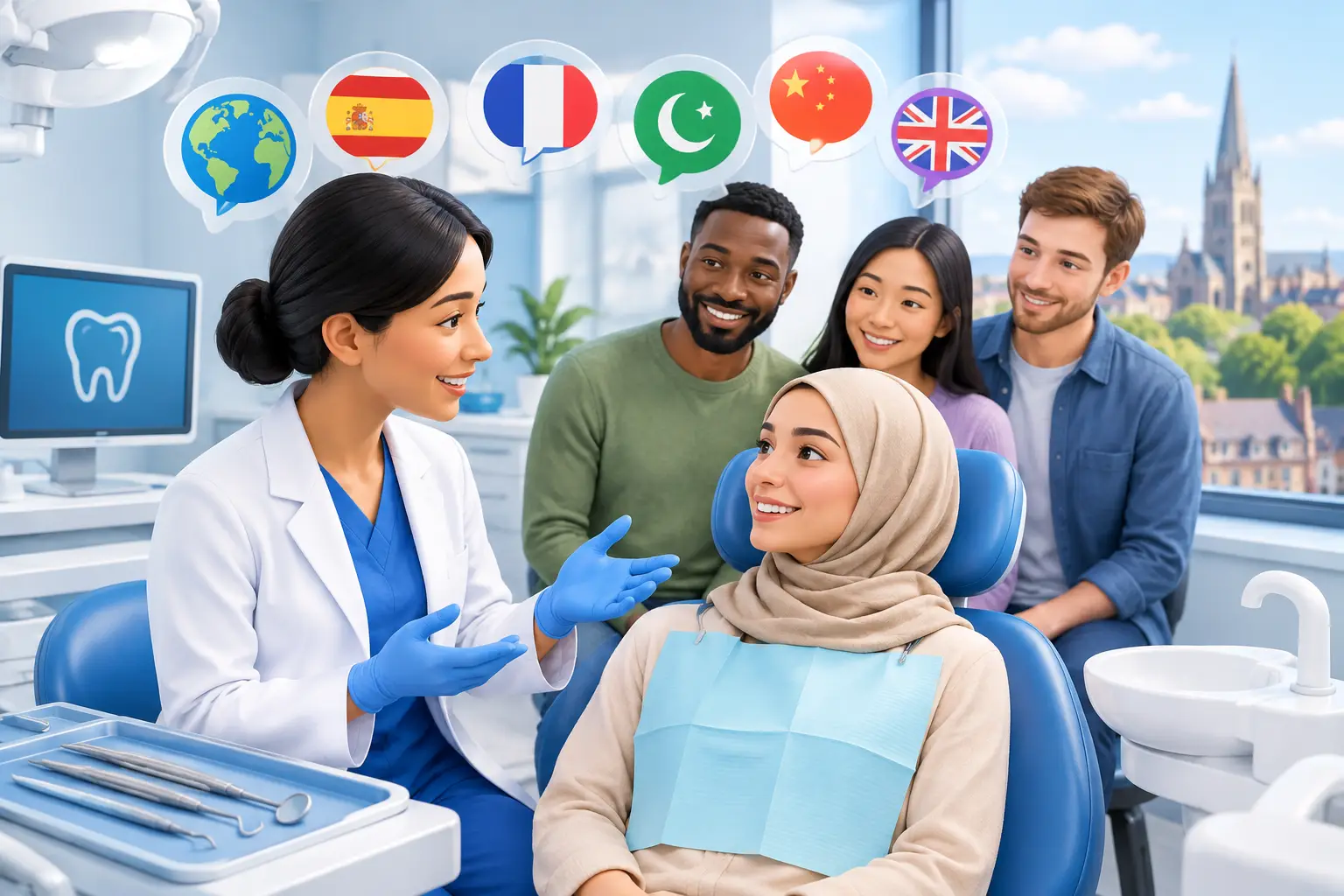
A dental appointment should never leave you nodding along to words you do not fully understand. Whether you have a sudden toothache, are considering dental implants, or want a brighter, more even smile, a multilingual dentist Luton patients can speak to comfortably can make the experience feel calmer and clearer from the first conversation.
Dental care involves choices: when to treat a problem, which option suits your goals, what the costs include and how recovery may feel. Clear communication is not an extra. It helps you give informed consent, ask the questions that matter and feel confident about the care you choose.
What to expect from a multilingual dentist in Luton
A multilingual dental service is about much more than translating a few appointment details. It means being able to discuss symptoms, treatment options and aftercare in a language that feels natural to you. That can be especially valuable when you are nervous, in pain or deciding on a larger course of treatment.
At U Smile Dental, consultations can be offered in English, German, Spanish, Persian and Romanian. This gives many local patients and families a more comfortable way to discuss their dental health, without relying on a relative to explain personal clinical information or trying to interpret unfamiliar dental terms alone.
The right conversation should be straightforward. You should understand what has been found, why a treatment is being recommended, what alternatives may be available and what will happen if you choose to wait. You should also be able to talk openly about your budget, your appearance goals and any worries you have about treatment.
Clear communication changes the whole appointment
For routine check-ups and hygiene visits, language support can make it easier to describe sensitivity, bleeding gums or changes you have noticed. Small details often help the dentist identify whether a tooth needs monitoring or whether treatment is advisable.
For more involved dentistry, the benefit is even greater. Crowns, bridges, dentures, root canal treatment and implants can involve several stages. A patient who understands the process is better placed to plan around work, family commitments and recovery, and to follow aftercare instructions accurately.
When you need urgent dental care
Tooth pain has a way of making every conversation harder. If you have a broken tooth, swelling, a lost filling or pain that is keeping you awake, you want prompt help and plain answers. Same-day emergency appointments, where available, can provide relief sooner, but it is still helpful to know what the likely next steps are.
A clear discussion lets you explain where the pain is, when it started and whether it is getting worse. In return, your dentist can explain whether the priority is to settle infection, protect the tooth, place a temporary repair or arrange further treatment. Emergency care is not always a complete solution in one visit, particularly where a tooth needs root canal treatment or a crown. Knowing this before you leave helps avoid unwelcome surprises.
When your priorities are cosmetic
Cosmetic dentistry is personal. One patient may want natural-looking whitening before a special occasion, while another wants to address worn, uneven or discoloured teeth with veneers or porcelain crowns. Clear communication helps turn a broad request for a ‘Hollywood Smile’ into a treatment plan that fits your own face, preferences and budget.
Ask to talk through the expected appearance as well as the clinical work involved. Whitening can lift the shade of natural teeth, but it will not change the colour of existing crowns or fillings. Veneers can create a striking change, but they are not the right answer for every tooth. Invisalign aligners may help correct suitable alignment concerns, yet they require consistent wear and take time. A good consultation makes room for these practical trade-offs rather than promising one answer for everyone.
When you are replacing missing teeth
Missing teeth can affect eating, speech and confidence. The main options may include dentures, bridges and dental implants, depending on your oral health, the condition of neighbouring teeth and the result you want to achieve.
Patients considering implants often have detailed questions about healing, suitability and cost. These are sensible questions. Implant treatment can be a long-term option with excellent aesthetic and functional benefits, but it is a treatment journey rather than a quick purchase. Discussing each stage in your preferred language can make the decisions feel manageable, particularly if you are comparing options or planning extensive rehabilitation.
How to choose the right multilingual dentist in Luton
Language is a meaningful starting point, but it should sit alongside clinical standards, appointment access and a practice’s approach to patient care. Look for a CQC-registered practice that explains treatment clearly and gives you time to consider your choices. Clean surroundings, an experienced team and a respectful manner matter just as much as the language spoken.
It is also reasonable to ask how fees are presented. Private dentistry should not feel vague. Before agreeing to treatment, you should understand what is included in your plan, whether further appointments may be needed and how any payment or finance options work. Competitive pricing is valuable, especially for implants, crowns or cosmetic treatment, but the cheapest figure is not always a like-for-like comparison. Materials, clinical time, laboratory work, reviews and aftercare can differ.
For a first appointment, it can help to prepare a few points in advance. Explain any pain or sensitivity, bring details of relevant medical conditions and medications, and say what outcome you are hoping for. If you have had a treatment plan elsewhere, take it with you. You can then ask whether the recommendation is suitable for you, what alternatives exist, how long treatment is likely to take and what your costs will be.
Language support should never mean assumptions
People do not all need the same kind of help. Some patients are fluent in English but prefer to discuss complex health decisions in Persian, Romanian, German or Spanish. Others may want a family member present for reassurance. Some will simply appreciate a dentist who checks understanding without rushing.
A patient-centred practice will ask rather than assume. It will also avoid talking down to you. Good dental communication uses everyday language, explains technical words when necessary and encourages you to pause the conversation if something is unclear. You are entitled to take time before committing to elective treatment, especially where there is more than one suitable option.
This approach can be particularly reassuring for nervous patients. Fear of the dentist is common, and it is often made worse by uncertainty. When you can explain what worries you and understand what will happen at each stage, appointments can feel far more manageable. Let the team know if you need extra reassurance, a slower explanation or breaks during treatment.
A more confident way to plan your dental care
Choosing a multilingual dentist is about being heard as well as being treated. It gives you the space to describe what is wrong, understand the options in front of you and make decisions that feel right for your health, appearance and finances.
If language has ever made you delay a check-up, live with pain or put off asking about the smile you want, start with a conversation in the language that puts you at ease. The best dental care begins when you feel able to speak openly and leave knowing exactly what happens next.