 Cosmetic, Implant and General Dentistry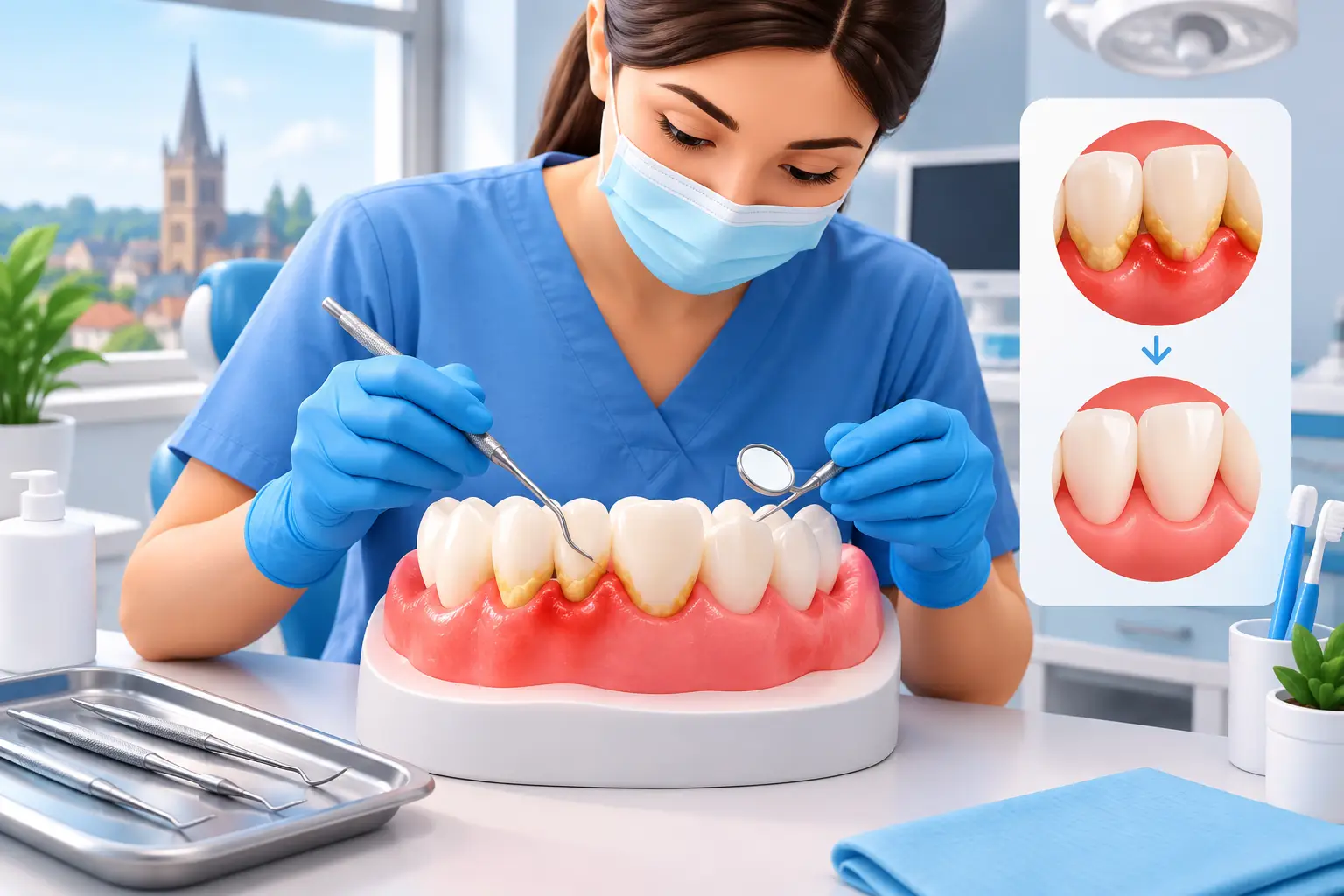
Bleeding when you brush is easy to dismiss, especially when life is busy. But it is not something to ignore. If you are searching for gum disease treatment Luton, acting early can make a real difference to your comfort, the stability of your teeth and the appearance of your smile.
Gum disease often progresses quietly. There may be no severe pain at first, so people can put off a dental visit until they notice persistent bad breath, receding gums or teeth that feel less secure. The reassuring news is that gum disease can be managed, and early-stage disease can often be reversed with the right professional care and a consistent home routine.
The signs that your gums need attention
Healthy gums should look pale pink or coral, feel firm and not bleed during brushing or flossing. A little blood in the sink is not simply a sign that you have brushed too hard. It can be an early indication of inflammation caused by plaque collecting around and below the gum line.
Other signs include swollen or tender gums, a bad taste in the mouth, ongoing bad breath, gums that appear to be pulling away from the teeth, and changes in the way your teeth meet when you bite. In more advanced cases, teeth may become mobile or spaces may develop between them.
Smoking can mask bleeding even while gum disease is progressing, which makes regular dental checks particularly valuable for smokers and former smokers. Diabetes, pregnancy, certain medicines, stress and a family history of gum problems can also affect gum health. That does not mean gum disease is inevitable, but it may mean you need closer monitoring and tailored advice.
Gum disease treatment in Luton starts with a clear assessment
A proper assessment is the starting point for safe, effective treatment. Your dentist will look at your gums, measure the small spaces between the gum and tooth, check for bleeding and assess whether there has been any loss of support around the teeth. X-rays may be recommended where needed to see the bone levels beneath the gums.
This process distinguishes between gingivitis and periodontitis. Gingivitis is inflammation limited to the gums. It is common and usually reversible when plaque is thoroughly removed and daily cleaning improves. Periodontitis is more advanced. It involves damage to the supporting tissues and bone around the teeth, and it needs ongoing professional management to help prevent further loss.
The aim is not to make you feel judged about your brushing. It is to identify what is happening, explain it plainly and create a realistic plan. For nervous patients, treatment can be broken into manageable appointments, with time to ask questions before anything begins.
Professional cleaning for early gum disease
For gingivitis, a professional scale and polish is often the first step. This removes hardened plaque, known as tartar or calculus, that cannot be brushed away at home. Your dental team can also show you where plaque tends to build up and advise on a brushing method, interdental brushes or floss that suits your teeth and gums.
A single cleaning appointment may be enough for some people, followed by improved daily care. However, if you have crowded teeth, bridges, implants, retainers or reduced hand mobility, cleaning at home can be more challenging. The right tools and a practical routine matter more than using lots of products.
Deep cleaning for periodontitis
Where plaque and tartar have collected beneath the gum line, deeper cleaning may be required. This is sometimes called root surface debridement or non-surgical periodontal treatment. The tooth roots are carefully cleaned to remove deposits and bacteria from the periodontal pockets, helping the gums settle and making it harder for infection to continue.
Treatment may be completed over more than one visit, particularly if several areas need attention. Local anaesthetic can be used to keep you comfortable. It is normal for gums to feel tender afterwards, and you may notice temporary sensitivity or that teeth look slightly longer as swelling reduces. These changes can be worrying, but they are often part of the gums becoming healthier and less inflamed.
In cases of severe periodontitis, referral to a gum specialist may be appropriate. Surgery is not needed for every patient, but it can be considered when deep pockets remain despite careful non-surgical treatment. Your dentist should explain the likely benefits, limitations and costs before recommending the next stage.
Why maintenance appointments matter
Gum disease is not always a one-off problem. Once periodontitis has developed, it can be controlled successfully, but it requires maintenance. Many patients benefit from periodontal reviews and hygiene appointments at intervals based on their individual risk, often every three to six months.
These visits allow your dental team to check for bleeding, measure changes in gum pockets and remove plaque from areas that are difficult to reach. The interval depends on the condition of your gums, smoking status, medical history, the complexity of your teeth and restorations, and how well plaque is being managed at home. A six-month check may be suitable for one person, while another needs more frequent support.
Keeping these appointments protects more than your natural teeth. Healthy gums are also essential around crowns, bridges and dental implants. Implant-supported teeth cannot develop gum disease in exactly the same way as natural teeth, but they can develop inflammation and bone loss around the implant. Thorough cleaning and regular monitoring remain essential.
Your home routine makes treatment last
Professional treatment removes established deposits, but plaque forms again every day. The best long-term results come from combining dental care with effective daily habits.
Brush twice daily for two minutes with fluoride toothpaste, using a soft toothbrush and gentle pressure at the gum line. Clean between your teeth once a day with interdental brushes, floss or another recommended aid. Interdental brushes are often highly effective where there is enough space between teeth, but the correct size matters. A brush that is too small will not clean properly, while one that is forced can cause discomfort.
Spit out toothpaste after brushing rather than rinsing straight away, so the fluoride can continue to protect your teeth. If you use mouthwash, use it at a separate time from brushing. Mouthwash can be a useful addition in some situations, but it cannot replace brushing between the teeth or professional cleaning.
Reducing smoking and keeping diabetes well controlled can support gum healing. A balanced diet and drinking water regularly also help your mouth, although no food, toothpaste or mouthwash can remove hardened tartar once it has formed.
Can gum disease affect how your smile looks?
Yes. Inflamed gums can look red, puffy and uneven, while gum recession can expose more of the tooth root and create a longer-tooth appearance. Recession can also lead to sensitivity and leave the edges of crowns or fillings more visible.
It can be tempting to focus first on whitening, veneers or other cosmetic changes. However, gum health should come before elective cosmetic dentistry. Treating inflammation first creates a safer, more stable foundation for aesthetic work and helps ensure the final result looks natural. Once the gums are healthy and stable, your dentist can discuss options that suit your goals, from whitening to restorative or cosmetic treatment.
At U Smile Dental, the focus is on helping patients understand the condition of their gums and choose care that is right for their health, comfort and budget. Clear explanations are especially valuable when treatment involves more than one appointment or forms part of a wider restorative plan.
When to book urgently
Book a dental appointment promptly if bleeding continues for more than a week despite gentle, thorough cleaning, or if you have swollen gums, pus, facial swelling, severe pain or a loose tooth. These symptoms need an assessment rather than a wait-and-see approach.
If swelling is spreading, you have difficulty swallowing or breathing, or you feel very unwell, seek urgent medical help immediately. Dental infections can become serious and should never be ignored.
Questions patients often ask
Is gum disease treatment painful?
Modern gum treatment is designed to be as comfortable as possible. A scale and polish may feel slightly sensitive if your gums are inflamed. For deeper cleaning, local anaesthetic can usually be used. Let your dentist know if you are anxious or have had difficult experiences in the past, as appointments can be planned with your comfort in mind.
Can receding gums grow back?
Gum recession does not usually grow back on its own. The first priority is to stop the cause, whether that is gum disease, aggressive brushing, smoking or bite-related pressure. In selected cases, specialist gum grafting may be discussed, but it is not necessary or suitable for everyone.
Will gum disease cause tooth loss?
Untreated advanced periodontitis can lead to tooth loss because it damages the bone and fibres holding teeth in place. With timely treatment and regular maintenance, many people keep teeth that might otherwise have been lost.
Your gums do not need to be painful to need care. A straightforward assessment now can give you a clear plan, peace of mind and a stronger base for the smile you want to keep.