 Cosmetic, Implant and General Dentistry
Table of Contents
- Why Cosmetic Dental Work Goes Wrong
- Fixing Bad Veneers: Repair or Replace?
- Repairing or Replacing Dental Crowns
- Getting a Second Opinion for Cosmetic Dentistry
- Reversing a Smile Makeover: What Is Possible
- Correcting Bad Dental Work: Costs, Timelines and Staged Planning
- Your Rights, Complaints and Compensation Pathways
- Conclusion
- Frequently Asked Questions
Last Updated: October 18, 2026
Why Cosmetic Dental Work Goes Wrong
Correcting bad dental cosmetic work starts with understanding why it failed. Most problems trace back to bite alignment, over-preparation of healthy tooth structure, or restorations fitted without enough attention to how the jaw actually closes. When a crown sits too high or a veneer throws off your bite, the consequences show up months later as pain, cracks, or a smile that never felt like yours.
Common Signs Something Is Not Right
Watch for restorations that feel bulky, food catching repeatedly in the same spot, sensitivity that never settles, or a bite that has shifted since treatment. Visible warning signs include dark margins around crowns, chipped edges, and a tooth colour that no longer matches neighbouring teeth. Persistent jaw pain or headaches after cosmetic work deserve a professional assessment rather than a wait-and-see approach.
Fixing Bad Veneers: Repair or Replace?
Fixing bad veneers depends on what went wrong. A single chipped porcelain veneer with an intact bond can often be repaired, while a full set with visible margins, poor colour matching, or bite interference usually needs replacement. We would always assess the underlying tooth first: if the enamel was over-reduced, replacement is the only sound route.
When a Veneer Can Be Repaired
Minor chips, small surface cracks, and slight shade drift are repairable with composite bonding or a re-polish, provided the veneer is still well bonded and the gum margin is healthy. Repair is faster and cheaper, but it only works when the foundation is sound.
When Replacement Is the Better Option
Replacement makes sense when veneers are debonding, sitting too proud of the gumline, or causing bite misalignment. Old restorations that have trapped bacteria underneath also need removal. In practice, replacement gives a more predictable aesthetic outcome and better durability than patching a failing veneer repeatedly.
Repairing or Replacing Dental Crowns
A dental crown that fails usually announces itself: a grey line at the gum, a loose feeling when you bite, or recurrent decay underneath. Repairing a crown is rarely possible once the seal breaks, so replacement is the common path. Where the crown itself is sound but the margin is compromised, we sometimes reshape and reseat it. Where decay has spread beneath an old restoration, a new crown, or occasionally an implant, is the honest answer.
Ignoring a loose crown does not resolve itself. Bacteria track under the margin and decay the tooth underneath, which can turn a straightforward replacement into an extraction.
Getting a Second Opinion for Cosmetic Dentistry
A second opinion for cosmetic dentistry is a structured assessment of existing work by a dentist who did not place it. It is not a criticism of your previous dentist; it is a check on whether the restoration is failing, whether the bite is stable, and what your realistic options are.
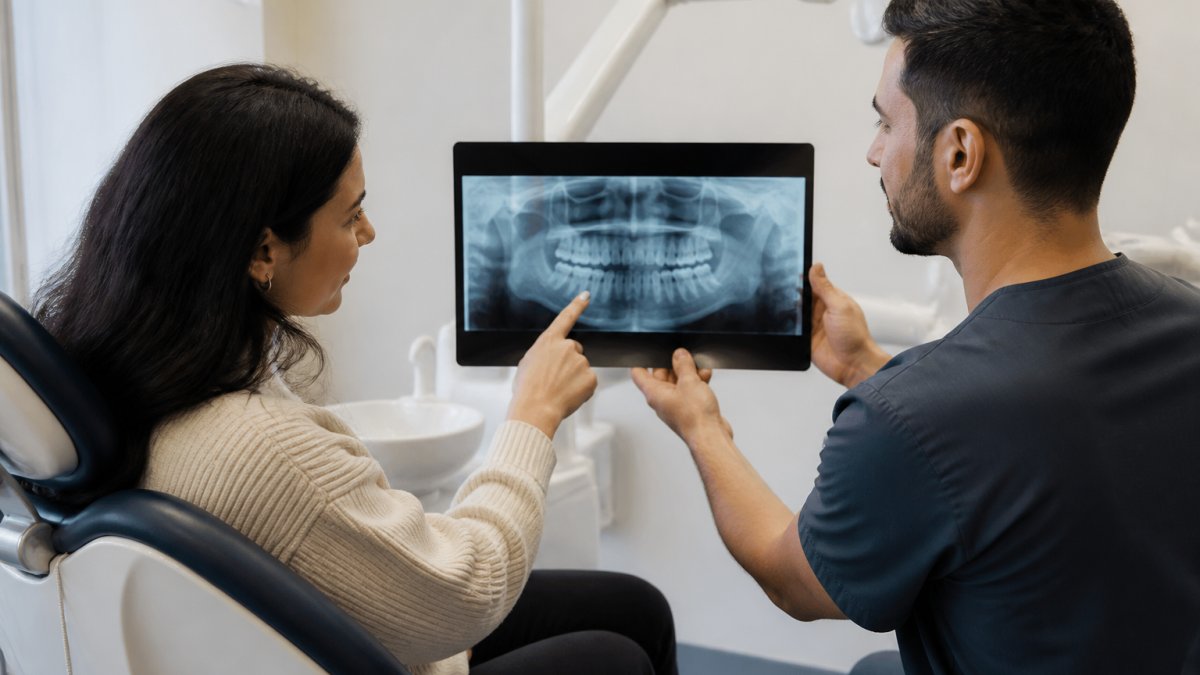
Bring your treatment records, any X-rays you can obtain, and a clear description of your symptoms. At U Smile Dental, we use digital x-rays to assess what sits beneath restorations without unnecessary repeat exposure, and we explain findings in plain language. Guidance from the General Dental Council on dental care standards sets out what you should expect from any consultation. A good second opinion ends with a written treatment plan, not a sales pitch.
Reversing a Smile Makeover: What Is Possible
Reversing a smile makeover is possible in most cases, but rarely a simple undo. Where a makeover involved over-preparation of teeth, the original enamel is gone, so reversal means rebuilding rather than restoring. Options include replacing oversized veneers with thinner ones, correcting bite alignment through orthodontics such as Invisalign before re-restoring, and using composite bonding to reshape edges. Straightening first, then restoring, often produces a more natural-looking result than layering new work over a misaligned bite.
Correcting Bad Dental Work: Costs, Timelines and Staged Planning
Correcting bad dental cosmetic work rarely happens in one appointment, and it should not. Staged planning lets a dentist stabilise urgent problems first, then sequence aesthetic corrections once the bite and gums are healthy. The order matters: restoring a smile over an unstable bite or inflamed gums tends to reproduce the original failure.
What Drives the Cost
No responsible practice quotes a correction figure before assessment, because the fee depends on factors that only an examination and X-rays can establish:
- How many restorations are involved. A single failed crown is a different proposition from a full upper arch of veneers.
- Whether the underlying tooth is sound. If enamel was over-prepared, the tooth may need rebuilding with a core or a crown rather than a simple veneer replacement.
- Whether the bite needs correcting. Orthodontic treatment before re-restoring adds time and cost but often produces a more stable and natural result than layering new work over a misaligned bite.
- Material choice. Composite bonding is the least expensive option per tooth; all-ceramic veneers and crowns sit at the higher end; implants are the most costly single-tooth replacement.
- Whether specialists are needed. Complex cases may involve a prosthodontist, an orthodontist, or a periodontist, and each adds to the plan.
- Laboratory and temporary costs. Complex revisions often need provisional restorations worn for weeks or months, and these are usually charged separately.
Because of this, a written treatment plan should itemise each stage, each fee, and each material, so you can compare quotes like for like rather than on a single headline number.
Typical Timelines for a Staged Revision
| Stage | What Happens | Typical Timeline |
|---|---|---|
| 1. Assessment | Examination, X-rays, bite analysis, photographs, written plan | 1-2 visits |
| 2. Stabilise | Treat decay, gum disease, infection or pain; remove failing restorations where necessary | Days to a few weeks |
| 3. Orthodontic phase (if needed) | Straighten teeth or correct bite before re-restoring | Months, depending on complexity |
| 4. Provisional phase | Temporary restorations to test bite, shape and speech | Weeks to months |
| 5. Definitive phase | Fit final crowns, veneers, bonding or implants | Several visits over weeks |
| 6. Review and maintenance | Check bite, shade, comfort and gum health | Follow-up visits over the first year |
Complex revisions that combine orthodontics, gum treatment and multiple restorations commonly run across several months rather than several weeks. Patients who understand that upfront tend to be more satisfied with the result than those promised a fast fix.
Urgent Versus Elective Correction
Some problems should not wait. Seek prompt assessment if you have pain that does not settle, swelling, a bad taste or discharge near a restoration, a crown or veneer that has come loose and is at risk of being swallowed, or a bite that has suddenly changed. These can signal infection or structural failure that gets more expensive to fix the longer it is left.
Purely aesthetic concerns, a shade that no longer matches, a slightly bulky veneer, a chipped edge with no pain, can usually be planned properly and are better corrected once the bite and gums are stable.
Payment, Insurance and Asking the Right Questions
Most corrective work is treated as private dentistry, and many practices offer payment plans or finance to spread the cost of larger revisions. If you have dental insurance, check before treatment whether it covers correction of existing work, since many policies exclude or limit revision of restorations placed elsewhere. Ask for the plan in writing and confirm:
- what is included in each stage and what is charged separately;
- whether provisional restorations and any laboratory fees are included;
- what happens, and what it costs, if a restoration needs adjusting after fitting;
- what the practice’s review and guarantee arrangements are for the new work.
Ask for the treatment plan to be split into stages with a fee against each stage. That way you can pause between phases if you need to, and you can see exactly what you are paying for before any work begins.
Your Rights, Complaints and Compensation Pathways
You have clear rights when dental work falls below the standard you should expect. Start by raising the issue with the practice that did the work; most concerns resolve at that stage. If they do not, the NHS complaints guidance explains the process for NHS treatment, while private care is covered by the General Dental Council’s complaints procedure. Where negligence is alleged, the Dental Complaints Service handles private patient disputes, and independent legal advice covers compensation claims. Keep records, photographs, and receipts.
Ask for copies of your clinical notes and any X-rays early. Practices must provide them on request, and having them makes every later conversation faster and fairer.
Conclusion
Discovering that cosmetic work has failed is unsettling, and the path forward can feel unclear. At U Smile Dental, we assess existing restorations honestly, use digital x-rays to see what lies beneath, and build staged plans that put comfort and oral health before appearance. Our team speaks English, German, Spanish, Persian and Romanian, so nothing gets lost in translation. Book an appointment and get a clear, written answer on what can be corrected.
Frequently Asked Questions
What should I do immediately after discovering bad dental work?
Book a consultation with a dentist who routinely corrects other clinicians’ work, and ask for a written assessment before any treatment starts. Bring any records, X-rays or treatment plans you already have. Do not attempt to fix or adjust the work yourself, and avoid aggressive brushing or over-the-counter whitening on affected teeth. If you have pain, swelling or a loose restoration, seek urgent care. A second opinion for cosmetic dentistry should explain what has failed, why, and which options exist, so you can decide without pressure.
Can cosmetic dental work be corrected without starting from scratch?
Often yes. Minor chips, rough edges or slight colour mismatch on composite bonding can sometimes be reshaped or repaired. A single failed veneer may be replaceable without touching the rest. Crowns with a small fracture may sometimes be repaired, though many need replacing. Correcting bad dental work usually starts with an individual assessment: the dentist checks bite alignment, the margin of each restoration and the health of the underlying tooth. Some cases need full replacement, but many can be staged over several visits to spread cost and healing time.
How do I know if my veneers or crowns need repairing or replacing?
Warning signs include visible cracks, a dark line at the gum margin, food trapping, sensitivity, a change in bite, or a restoration that feels loose. Pain when biting can point to an underlying problem rather than the veneer itself. Your dentist will assess the restoration and the tooth beneath it. Repairing or replacing dental crowns depends on how much healthy tooth remains and whether the fit is still sealed. A clinical examination, sometimes with digital X-rays, gives a clearer answer than appearance alone.
When should I get a second opinion about cosmetic dental work?
Seek a second opinion if you are unhappy with the appearance, if the work feels uncomfortable, if you were not shown a clear treatment plan, or if you are being asked to pay again for a correction of the same problem. It is also sensible before agreeing to a full smile makeover or extensive veneer work. A second opinion for cosmetic dentistry should include an examination, an explanation of the current condition and a written plan with options. You are entitled to ask questions and to take time to decide.
Can you reverse a smile makeover?
Reversing a smile makeover depends on what was done. Composite bonding can sometimes be removed or reshaped with less impact on the tooth. Veneers and crowns involve removing some enamel, so reversal usually means replacing the restorations with ones that suit your bite and face better, rather than returning to the original teeth. Orthodontics may be needed first if teeth were over-prepared or moved. A staged plan, agreed with your dentist, is common. Ask what is reversible, what is not, and what the long-term maintenance will involve.
What are my rights if a private dentist’s cosmetic work has failed?
Start by raising the issue directly with the practice, which should have a complaints procedure. If you are not satisfied, you can contact the dental regulator, the General Dental Council, or ask for advice from the Dental Complaints Service for private treatment. Keep records, receipts and correspondence. For NHS treatment, the local integrated care board handles complaints. Compensation is not automatic; it usually requires evidence that the care fell below a reasonable standard and caused harm. Seek independent legal advice if the matter is significant.