 Cosmetic, Implant and General Dentistry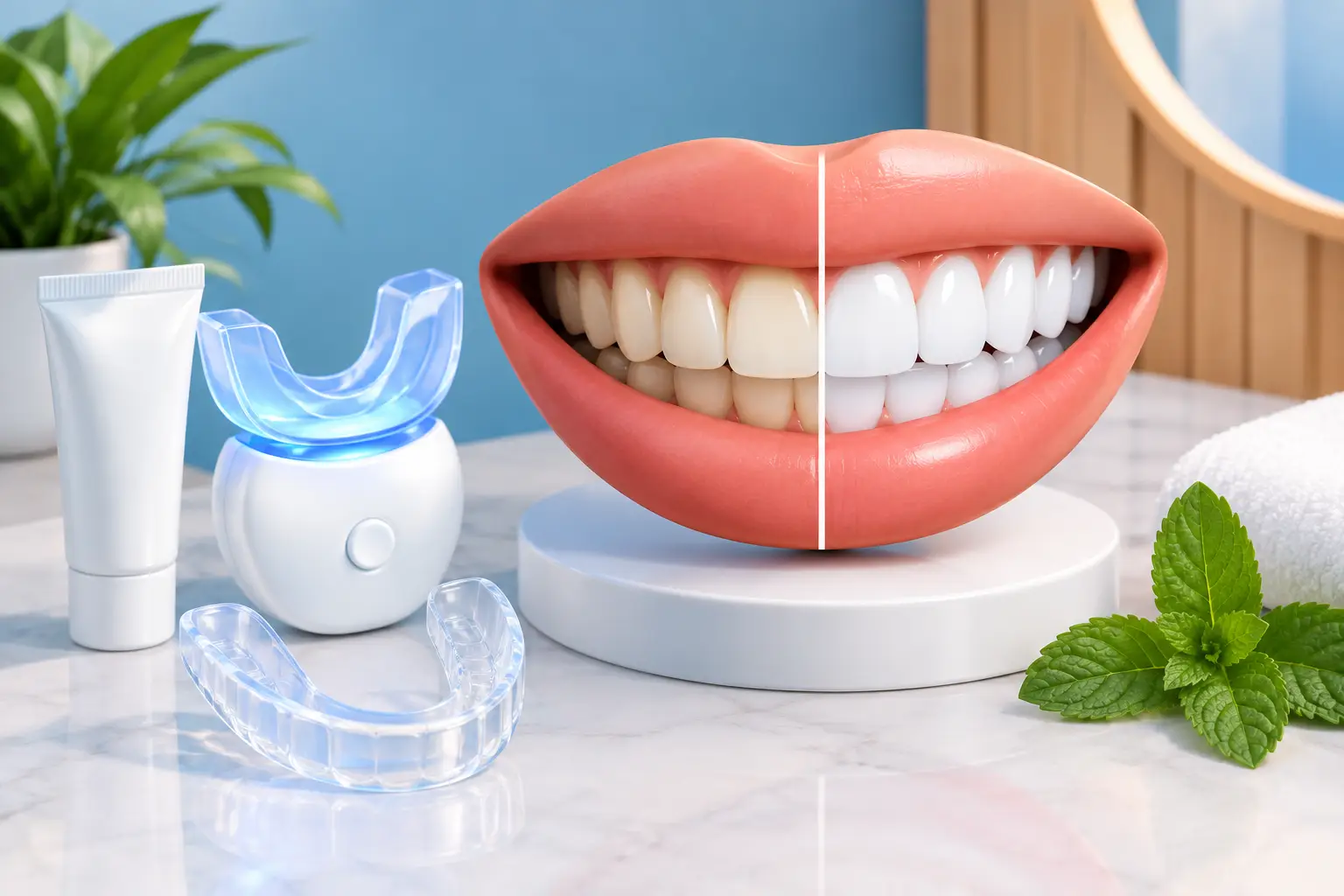
A brighter smile can make a real difference before a wedding, a new job, a holiday or simply when you catch your reflection. But effective teeth whitening is not about chasing an unrealistically white shade. It is about lifting the staining that has built up over time and choosing a result that suits your complexion, smile and existing dental work.
Coffee, tea, red wine, smoking and richly coloured foods can all gradually dull the appearance of natural teeth. Even with careful brushing, surface stains and deeper colour changes can remain. Professional whitening offers a controlled way to refresh your smile, with a treatment plan chosen around your teeth rather than a one-size-fits-all kit.
Why Teeth Become Darker Over Time
Teeth are not naturally paper-white. Most healthy natural teeth range from warm ivory to light grey-white, and the shade can vary across the same tooth. The outer enamel is translucent, so the naturally darker dentine beneath also influences the colour you see.
Some discolouration sits on the surface. This is often caused by tea, coffee, tobacco or coloured foods, and a professional hygiene clean may make a visible difference before whitening is even considered. Other staining is within the tooth itself. Ageing, certain medications, trauma to a tooth and previous root canal treatment can all affect colour more deeply.
This distinction matters because whitening is highly effective for many types of natural tooth discolouration, but it is not the answer to every shade concern. A careful assessment avoids disappointment and helps ensure the approach is safe for your mouth.
Professional Teeth Whitening: What to Expect
In the UK, teeth whitening should be carried out by, or under the prescription of, a registered dental professional. This is not simply a cosmetic rule. Before treatment begins, your dentist needs to check that your teeth and gums are healthy enough for whitening and that the colour change you want is achievable.
At your appointment, the dentist will assess your teeth, gums, existing restorations and the type of staining present. If there is untreated decay, gum disease, cracked teeth or significant sensitivity, these concerns should be addressed first. Whitening gel can otherwise cause unnecessary discomfort or highlight an issue that needs dental care.
Professional treatment generally uses a carefully controlled peroxide gel. Depending on the system selected, this may involve custom-made trays used at home over a set period, or an in-practice treatment such as medical-grade Zoom whitening. Some patients prefer the convenience of seeing a result in a single appointment; others prefer the gradual control of home whitening trays. The most suitable route depends on your starting shade, time frame and sensitivity history.
The aim is a healthy-looking improvement, not a standard shade chosen from a photograph. Your dentist can record your starting colour and talk honestly about what is realistic. Results vary between individuals, but a noticeable brightening is common when whitening is suitable.
Is whitening uncomfortable?
Temporary sensitivity is the most common side effect. You may feel brief sharp sensations when drinking something cold, or a general sensitivity for a day or two. This is usually manageable and settles quickly, especially when the treatment is tailored properly.
If you have previously experienced sensitive teeth, tell your dentist before starting. It may be possible to shorten wearing times, use a lower-strength gel, space out applications or recommend products that support sensitivity control. Whitening should never feel like something you have to endure to get a better smile.
What Whitening Will Not Change
Whitening changes natural tooth tissue. It does not lighten porcelain veneers, crowns, bridges, fillings or dentures. This is particularly relevant if you have visible restorations at the front of your mouth. Whitening neighbouring teeth may make an older crown or filling look darker by comparison.
That does not mean whitening is unsuitable. It may simply need to be planned before replacement crowns, veneers or fillings are colour-matched. For patients considering a wider cosmetic change, getting the natural teeth to the preferred shade first can create a more harmonious final result.
A darkened tooth after a root canal may also need a different approach, such as internal whitening, rather than standard external whitening. Your dentist will explain the options clearly if one tooth is noticeably darker than the rest.
Why Shop-Bought Kits Are Not Always the Best Value
Whitening toothpastes, strips and online kits can appear cheaper at first, but their results are often limited or unpredictable. A whitening toothpaste may help remove some surface staining, yet it cannot substantially alter the internal shade of a tooth. Abrasive products used too aggressively can also wear away enamel or irritate gums.
The bigger issue with unregulated products is that you cannot be certain what you are applying, whether it is suitable for your teeth or how to manage a reaction. Beauty salons and unqualified providers are not the right place for dental whitening. A bright smile should not come at the cost of sore gums, enamel damage or untreated dental disease.
Professional whitening costs more than a tube of toothpaste because it includes the clinical judgement behind the treatment: checking your oral health, choosing the right method, monitoring progress and helping you manage sensitivity. It is value in the fuller sense of the word, not just a price on a box.
How to Keep Your Smile Brighter for Longer
Whitening is not permanent, because life does not stop leaving its mark on teeth. The good news is that a few sensible habits can help you enjoy your result for longer.
For the first 24 to 48 hours after whitening, teeth can be more likely to absorb colour. It is wise to limit tea, coffee, red wine, cola, curry, berries and tobacco during this period. After that, you do not need to avoid every favourite food or drink. Rinsing with water after strongly coloured drinks, using a straw for cold drinks where practical and maintaining regular hygiene appointments can all reduce new staining.
Brushing twice daily with fluoride toothpaste and cleaning between the teeth are equally valuable. Plaque and tartar can make teeth look dull, while healthy gums give the whole smile a cleaner, fresher appearance. If you drink tea or coffee regularly, a top-up whitening plan may be more realistic than expecting one treatment to last indefinitely.
Avoid relying on lemon juice, charcoal powders or harsh home remedies. They can seem tempting on social media, but acid and abrasion can damage the enamel that gives teeth their natural protection and sheen. Once enamel is lost, it does not grow back.
Is Teeth Whitening Right for You?
Teeth whitening can be an excellent choice for adults with healthy teeth and gums who want to reduce general yellowing or staining. It may be especially useful before a special occasion or as part of a larger smile makeover. However, it is not normally recommended during pregnancy or breastfeeding, and it is not suitable for children.
The best next step is a dental consultation, particularly if you have crowns, veneers, gum bleeding, tooth pain, heavily worn teeth or one tooth that has changed colour. A conversation can prevent wasted money and identify whether a clean, whitening treatment, replacement restoration or another cosmetic option would give the result you are looking for.
At U Smile Dental, the focus is on helping patients choose a brighter smile that still looks like their own. A well-planned result should look fresh rather than obvious, feel comfortable and give you a reason to smile more freely long after the appointment is over.