 Cosmetic, Implant and General Dentistry
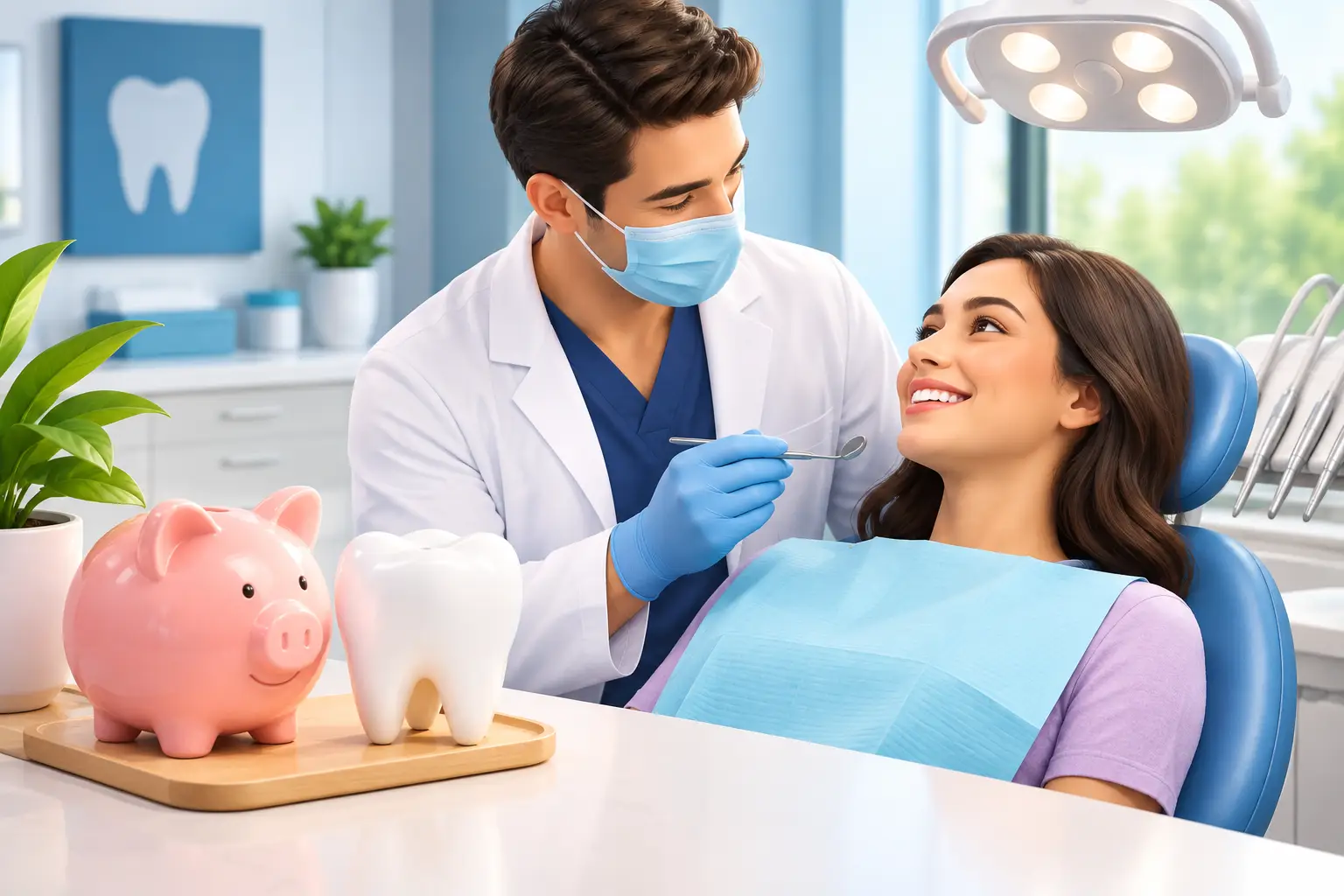
A toothache that keeps you awake, a broken crown before an important event, or dentures that no longer feel secure all have one thing in common: waiting is rarely the affordable option. Affordable private dentistry is not about choosing the lowest headline price and hoping for the best. It is about receiving the right care at the right time, with clear costs and a treatment plan that protects your smile for the longer term.
For many people, private dental care becomes a consideration when NHS appointments are difficult to access, a treatment is not routinely available, or they want greater choice over materials, appointment times and cosmetic results. The key is knowing what good value actually looks like before you commit.
What affordable private dentistry should mean
Private dentistry is often assumed to be expensive by default. In reality, prices vary considerably between practices, and the cheapest quote is not always the most economical choice. A filling that fails early, a poorly fitting denture or a crown made without enough planning can lead to further appointments and further costs.
Good value begins with a proper examination and a clear explanation of your options. You should understand what is causing the problem, what may happen if you wait, which treatments are suitable and how much each stage is likely to cost. This is particularly important for larger treatment plans involving implants, crowns, bridges, root canal treatment or several cosmetic restorations.
Affordable care should also be practical. Evening availability, prompt emergency appointments and a clinic that can coordinate several parts of your care may reduce time away from work and prevent a small concern becoming an urgent, more complex problem. For patients who are nervous about dental visits, feeling listened to and treated with patience has value too. Avoiding care because of anxiety usually makes treatment more difficult later.
Look beyond the first price you see
A single figure can be useful, but it does not tell the whole story. Before comparing private dental prices, ask what is included. For example, an implant quote may or may not include the consultation, scans, extraction, bone grafting, temporary tooth, final crown and follow-up care. The same principle applies to veneers, Invisalign treatment and professional whitening.
You are not being difficult by asking for clarity. A good practice should be comfortable discussing fees in plain language and giving you a written treatment plan before work begins. If there are variables that could affect the final cost, such as the condition of the jawbone before implant treatment, these should be explained honestly rather than hidden behind an attractive starting price.
It is also sensible to ask about the longevity of the proposed treatment. A white filling may be the most conservative choice for a small cavity, while a heavily weakened tooth may need a crown to reduce the risk of fracture. Neither option is automatically better or cheaper. The right decision depends on how much healthy tooth remains, how you bite and what result you need.
Questions worth asking at a consultation
You do not need specialist dental knowledge to make a confident choice. Ask what the recommended treatment is designed to achieve, what alternatives are available and what the likely maintenance needs will be. If a cosmetic treatment is being discussed, ask to see examples of similar work and talk through the shade, shape and level of tooth preparation involved.
For more substantial work, it is reasonable to ask who will carry out each stage, how long treatment will take and what happens if you experience discomfort or a problem between appointments. If finance is offered, make sure you understand the deposit, monthly payments, term, eligibility and total amount repayable. Spreading the cost can make treatment manageable, but it should still fit comfortably within your budget.
Choosing treatment that lasts
There is no benefit in paying for features you do not need, but there is also a risk in cutting corners where diagnosis, materials or aftercare matter. A private dentist should help you prioritise. Sometimes the most sensible first step is relief from pain and stabilising the mouth. Cosmetic improvements can follow when your teeth and gums are healthy.
Restorative dentistry: solve the cause, not just the symptom
If you have a broken tooth, an old filling that has failed or discomfort when biting, prompt assessment can preserve more of the natural tooth. Root canal treatment may save an infected tooth that would otherwise need extraction. A crown can protect a tooth after root canal treatment or extensive damage. Where a tooth cannot be saved, a bridge, denture or dental implant may restore function and appearance.
Each route has trade-offs. A removable denture can be a cost-conscious way to replace missing teeth, but it may feel less stable than an implant-supported option. A bridge can provide a fixed replacement without surgery, although the neighbouring teeth may need to be prepared. Implants can feel and function very naturally, but they require careful planning, healthy gums and sufficient healing time. A responsible clinician will discuss these differences without pressuring you towards the highest-cost option.
Cosmetic dentistry: plan for a natural result
Whitening, porcelain veneers, crowns and Invisalign alignment can make a striking difference to a smile, but the best outcomes are planned rather than rushed. Healthy gums and stable teeth come first. Whitening may be ideal where the shape and position of your teeth already suit you but the shade has darkened. Invisalign can address mild to more complex alignment concerns, while veneers or crowns may be appropriate where teeth are worn, chipped, uneven or heavily restored.
The most affordable route is often the least invasive one that can achieve your goal. For some patients, professional whitening and small composite bonding may be enough. For others, a carefully planned set of porcelain restorations offers the more predictable result. Your consultation should focus on what will look balanced in your face and work with your bite, not simply on producing the brightest possible shade.
Do not overlook gum health and prevention
Gums are the foundation for every smile, whether you are considering implants, crowns or cosmetic treatment. Bleeding when brushing, persistent bad breath, loose teeth or receding gums should never be ignored. Gum disease can progress quietly, and treating it early is usually simpler and more affordable than dealing with tooth loss later.
Regular examinations and hygiene care are not an unnecessary extra. They help identify decay, cracked fillings, gum problems and changes around existing crowns or implants before they become painful. If you have invested in restorative or cosmetic work, routine care is part of protecting that investment.
At home, the basics still matter: brush twice daily with fluoride toothpaste, clean between your teeth every day and attend review appointments at the interval recommended for you. Your needs may differ from someone else’s. A patient with healthy gums and few fillings may need a different review pattern from someone with previous gum disease, several implants or a history of frequent decay.
When speed genuinely saves money
Dental emergencies rarely arrive at a convenient time. A severe toothache, facial swelling, a knocked-out tooth or a broken restoration should be assessed promptly. Same-day emergency care can help control pain, reduce the risk of infection spreading and, in some cases, save a tooth that might otherwise be lost.
Not every concern needs emergency treatment, but do not wait if pain is severe, swelling is increasing, you have trauma to the mouth or a sharp broken tooth is cutting your tongue or cheek. Early treatment can be the difference between a straightforward repair and a more involved procedure.
How to choose a private dentist with confidence
Look for a practice that is properly registered, clean, transparent and willing to explain care clearly. CQC registration provides reassurance that a practice is regulated against essential standards, but your experience should also feel personal. You should have time to ask questions, understand the recommendations and decide without feeling rushed.
Communication matters, especially when discussing significant treatment. For patients more comfortable speaking German, Spanish, Persian or Romanian as well as English, being able to discuss symptoms, concerns and costs in a preferred language can make decisions far easier. It helps ensure that consent is genuinely informed and that aftercare advice is understood.
At U Smile Dental, patients can discuss general, emergency, restorative and cosmetic options in a welcoming private setting, with free consultations available for those considering treatment. The aim is straightforward: professional care, attractive results where desired and clear value for the work involved.
The best time to seek advice is before a manageable issue becomes an urgent one. Book a consultation when you are ready to understand your options, ask direct questions and choose a treatment plan that feels right for both your smile and your budget.