 Cosmetic, Implant and General Dentistry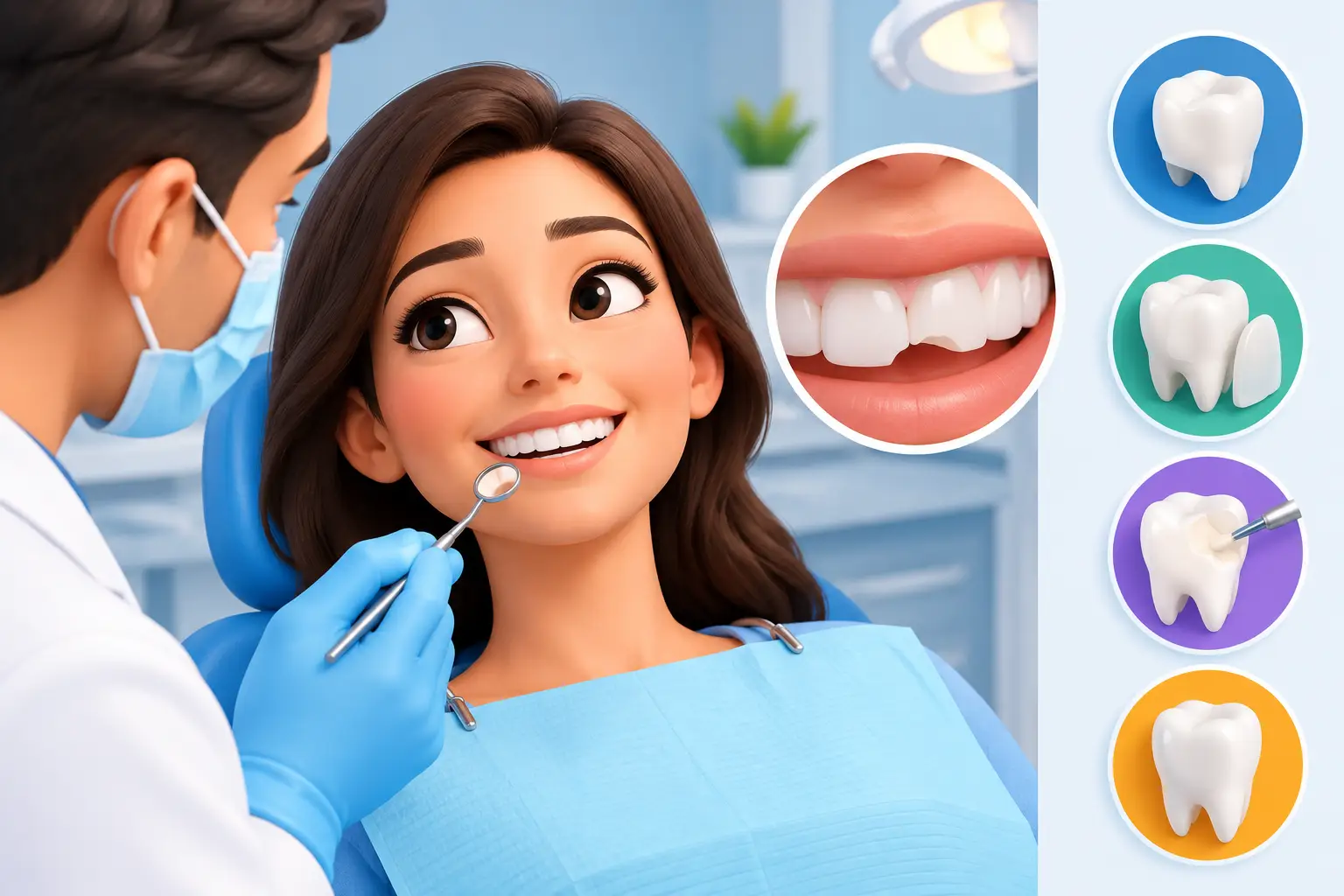
A chipped tooth can happen in one quick moment: biting a hard sweet, catching a glass with your front tooth, or taking a knock during sport. The good news is that can dentists fix chipped teeth? In most cases, yes. The right solution depends on how much tooth has broken away, where the chip sits, whether there is pain, and the finish you would like for your smile.
A tiny rough edge may need only a simple polish. A visible chip at the front of the mouth may be rebuilt beautifully with tooth-coloured bonding. Larger breaks can call for a veneer or crown, especially when the tooth needs more strength as well as a natural-looking result.
Can dentists fix chipped teeth without removing the tooth?
Usually, yes. A chip does not automatically mean losing a tooth or needing complex treatment. Your dentist will first check the tooth, surrounding gum, bite and, if needed, take an X-ray to see whether the crack reaches deeper than the enamel.
Enamel is the hard outer layer of a tooth. If the damage is limited to this surface, treatment is often straightforward. If the dentine beneath is exposed, you may notice sensitivity to cold drinks, air or sweet foods. A deeper chip that reaches the nerve can cause significant pain and may require root canal treatment before the tooth is restored.
The aim is always to preserve as much healthy natural tooth as possible. That means choosing a treatment which looks right, feels comfortable when you bite, and gives the tooth the support it needs for everyday life.
The best treatment for a chipped tooth depends on the damage
Smoothing and polishing for a very small chip
If the chip is minor and has simply left a sharp or uneven edge, your dentist may be able to smooth and polish it. This is often suitable for a small chip that is not visible or does not affect the shape of the tooth significantly.
It is a conservative option, but it is not right where smoothing would make the tooth look noticeably shorter or uneven. Your dentist will be honest about whether a polish alone will give a balanced result.
Composite bonding for natural-looking repairs
Composite bonding uses a durable tooth-coloured resin to rebuild the missing section of tooth. It is one of the most popular choices for front teeth because the shade can be matched closely to your natural enamel and shaped carefully to blend with the surrounding teeth.
For many patients, bonding offers an excellent balance of appearance, speed and value. It normally requires little or no removal of healthy tooth structure, and many repairs can be completed in one appointment. It can also be useful for small gaps, worn edges and uneven tooth shape.
Composite is not as stain-resistant or hard-wearing as porcelain. Coffee, red wine, smoking and highly coloured foods can affect its appearance over time, and it may eventually need polishing, repair or replacement. People who clench or grind their teeth may need a protective night guard to help prevent repeat chipping.
Porcelain veneers for a more complete smile change
A porcelain veneer is a fine, custom-made porcelain facing bonded to the front surface of a tooth. It can be a strong choice when a chipped front tooth also has discolouration, uneven shape, old bonding or several cosmetic concerns that you would like to address together.
Porcelain reflects light in a similar way to natural enamel and is highly resistant to everyday staining. It can deliver a refined, long-lasting aesthetic result, but it is a more involved treatment than composite bonding and usually requires some preparation of the tooth.
Veneers are not automatically the best answer to every chip. If only a tiny corner is damaged and the rest of the tooth is healthy, bonding may be the more conservative and cost-effective option. A careful consultation should focus on what your tooth needs, not simply the most extensive treatment available.
Crowns for teeth with larger breaks
A dental crown covers the tooth to restore its shape, strength and appearance. It may be recommended where a large portion of the tooth has fractured, an old filling has failed, the tooth has a deep crack, or root canal treatment has left it more vulnerable to breaking.
Modern porcelain crowns can look very natural, particularly for visible teeth. They are designed around your bite, so the restored tooth feels stable and comfortable rather than bulky. As a crown involves more tooth preparation than bonding, it is generally reserved for teeth that genuinely need this level of protection.
Root canal treatment when the nerve is affected
A chip can sometimes expose or damage the nerve inside the tooth. Warning signs include lingering pain after hot or cold drinks, spontaneous throbbing, swelling, or a tooth that becomes darker after an injury. In these cases, root canal treatment may be needed to remove infection or damaged nerve tissue before restoring the tooth with a filling or crown.
This may sound daunting, but saving a natural tooth is often the best long-term outcome. Prompt assessment can make a real difference, particularly after a knock or a substantial fracture.
What to do straight after chipping a tooth
Rinse your mouth gently with lukewarm water and keep any broken piece of tooth if you can find it. Occasionally, it may be possible to reattach a fragment. If there is bleeding, apply gentle pressure with clean gauze. A cold compress on the outside of the cheek can help with swelling.
Avoid biting on the damaged tooth and choose softer foods until you have been seen. If the edge is sharp, dental wax from a pharmacy can provide temporary protection for your tongue or cheek. Do not try to file the tooth at home or use household glue to stick a piece back on.
Pain, swelling, a loose tooth, a deep break, or a chipped tooth after an accident should be treated as urgent. Even if discomfort settles, a crack can allow bacteria into the tooth and create problems later. Same-day emergency dental assessment is especially worthwhile when the damage is new or the tooth feels different when you bite.
How long do chipped tooth repairs last?
No restoration lasts forever, but a well-planned repair can serve you well for years. Longevity depends on the material used, the size and location of the chip, your bite, oral hygiene and habits such as nail biting, chewing ice or opening packaging with your teeth.
Composite bonding may need maintenance sooner than porcelain, particularly on biting edges. Porcelain veneers and crowns are highly durable, but can still chip if exposed to a heavy impact or grinding. Regular dental check-ups allow small issues to be spotted before they become a bigger repair.
If you play contact sports, a custom mouthguard is a sensible investment. If you wake with jaw tension, headaches or worn teeth, ask about signs of grinding. Protecting a repair is just as important as creating it.
Will a chipped tooth repair match the rest of your smile?
A good repair should not draw attention to itself. Dentists consider more than just shade: translucency, surface texture, tooth shape and the way light reaches the tooth all influence the result. For a front tooth, this attention to detail matters.
If you are considering whitening, it is usually best to whiten before having new bonding, veneers or crowns made. Natural teeth can lighten with professional whitening, while restorations keep their original shade. Planning treatment in the right order gives your dentist the best chance of achieving an even colour match.
At U Smile Dental, treatment planning is centred on restoring both comfort and confidence, whether you need a discreet repair after an accident or want to improve the overall appearance of your smile.
When should you book an appointment?
Book as soon as possible if the tooth is painful, sensitive, loose, cracked, sharp, or visibly broken. You should also arrange a check-up if the chip seems small but followed a fall, sports injury or blow to the face. Teeth can be damaged beneath the surface even when the visible chip looks minor.
For a painless, small chip, you may not need emergency care, but there is little benefit in waiting until it worsens. A prompt assessment gives you clear options, from a simple polish to a carefully matched restoration. The sooner the tooth is protected, the sooner you can eat, speak and smile without worrying about the next sharp edge or unexpected twinge.