 Cosmetic, Implant and General Dentistry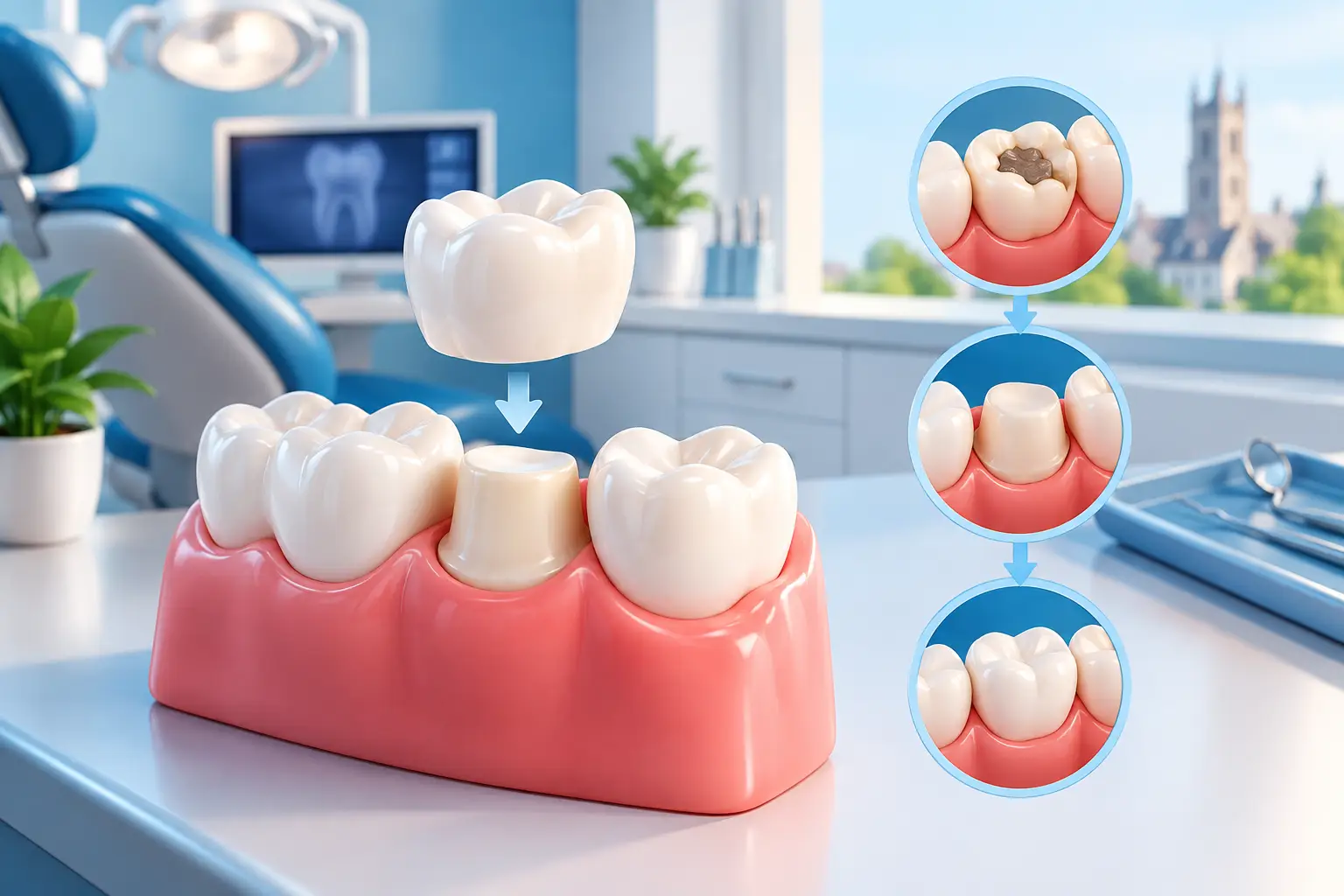
A crown that has become loose, cracked or painful can make every meal feel uncertain. Dental crown replacement Luton patients seek is not simply about making a tooth look better again. It is about protecting the tooth beneath, restoring comfortable biting and preventing a small problem from becoming a more involved treatment.
A crown is designed to be strong, but it is not permanent. Daily chewing, teeth grinding, changes around the gum line and decay at the edge of the crown can all affect how well it performs over time. A prompt assessment gives you clear answers and helps preserve as much healthy tooth structure as possible.
When does a dental crown need replacing?
Many crowns last for years with good home care and regular dental check-ups. However, the condition of the crown, the tooth underneath and your bite matter far more than its age alone. Some crowns need attention sooner, while others remain secure and functional for much longer.
A visible chip, crack or rough edge is a reason to arrange a dental examination, particularly if the crown catches on your tongue or cheek. A crown may also need replacing when it feels loose, moves slightly when you bite, or has fallen out. Do not try to glue it back with household adhesive. This can damage the tooth or make a proper repair more difficult.
Pain on biting, new sensitivity to hot or cold drinks, an unpleasant taste or a persistent bad smell around a crowned tooth can point to a problem beneath the restoration. Decay can develop where the crown meets the natural tooth, especially if plaque is allowed to build up around the margin. A dark line near the gum can sometimes be staining, but it may also indicate recession or an older metal-based crown becoming more noticeable.
It is also reasonable to replace a crown for aesthetic reasons. An older crown may no longer match surrounding teeth after whitening, or its shape and colour may feel out of place in your smile. In these cases, the treatment can improve appearance while renewing the tooth’s protection.
What happens during dental crown replacement in Luton?
The first step is a careful consultation. Your dentist will examine the crown, assess the gum tissue and check how the tooth meets the opposing teeth. X-rays may be recommended to look for decay, infection or changes around the root that cannot be seen from the outside. This ensures the right treatment is planned before the old crown is removed.
If the tooth under the crown is healthy, the existing restoration can usually be removed and the tooth cleaned and prepared for its new crown. Where there is a small amount of decay or an old filling has weakened, the tooth may need rebuilding first. If infection has reached the nerve, root canal treatment may be needed before fitting the final crown. Although this can sound daunting, addressing the cause properly gives the replacement crown a much better foundation.
Your dentist will take a detailed impression or digital scan so the new crown can be made to fit accurately. A temporary crown is often placed while the final restoration is being created. Treat it gently: avoid sticky foods, very hard foods and using that side to bite into items such as apples.
At the fitting appointment, the new crown is checked for its fit, appearance and bite before it is secured. The aim is not only for it to look natural, but also to feel comfortable when you speak, chew and close your teeth together. A crown that is even slightly high can make the tooth sore, so let your dentist know if your bite does not feel right afterwards.
Choosing the right type of crown
There is no single best crown for every tooth. The right option depends on where the tooth sits, how much biting pressure it receives, the shade of nearby teeth and the amount of natural tooth remaining.
Porcelain and ceramic crowns are popular for visible teeth because they can be carefully matched to the colour, translucency and shape of a natural smile. Modern materials can also offer excellent strength, making them suitable for many back teeth as well. Zirconia is a particularly durable ceramic option often considered where higher chewing forces are expected.
Some patients may be suited to porcelain bonded to metal, particularly where strength is a priority. These crowns can be very reliable, though a dark edge may become visible over time if the gum recedes. Your dentist should explain the appearance, durability and cost considerations of each suitable material, rather than recommending a material simply because it is the most expensive.
For front teeth, details such as the surface texture, length and brightness of the crown make a real difference. A crown should complement your face and neighbouring teeth, not look flat, bulky or noticeably different. For a heavily used back tooth, function may take greater priority, although a well-made restoration can still look discreet.
If your crown has come off or is causing pain
A lost crown does not always mean an emergency, but it should not be ignored. Keep the crown safe in a clean container and avoid chewing on the exposed tooth. It may be possible to recement the crown if it is intact and the underlying tooth remains sound. If it no longer fits securely, has fractured or decay is present, replacement is likely to be the safer option.
Seek urgent dental care if you have facial swelling, severe pain, a broken tooth with a sharp edge, or a crown failure that leaves you unable to eat comfortably. Same-day appointments can be especially helpful when pain or a damaged restoration is disrupting work, family life or sleep. The immediate goal is to get you comfortable and protect the tooth. The final crown can then be planned with care.
Avoid chewing ice, hard sweets or nuts on a compromised crown. If a temporary crown comes loose, contact the practice promptly. Leaving a prepared tooth uncovered can allow it to shift slightly, which may affect the fit of the final restoration.
Looking after a replacement crown
A new crown needs the same daily care as a natural tooth. Brush twice a day with fluoride toothpaste, paying close attention to the gum line where the crown joins the tooth. Clean between your teeth every day with interdental brushes or floss recommended for your mouth. This is particularly valuable around crowns that sit beside other teeth or form part of a bridge.
If you grind or clench your teeth, a night guard may help reduce excessive pressure on crowns and natural teeth. This is worth discussing if you regularly wake with jaw tension, headaches or worn tooth edges. Limiting frequent sugary snacks and acidic drinks also helps protect the exposed natural tooth structure around the crown margins.
Regular examinations allow your dentist to spot small changes early. A crown can look fine from the front while plaque, gum inflammation or decay develops in areas you cannot see. Early care may mean a simple repair, rather than losing more tooth structure or needing a more complex treatment.
A considered investment in your smile
The cost of replacing a crown varies because every tooth has a different starting point. The material selected, whether the tooth needs rebuilding or root canal treatment, and the level of cosmetic detailing all affect the final fee. Clear treatment planning should set out what is needed, why it is recommended and the costs involved before you decide to proceed.
At U Smile Dental, patients can discuss crown replacement in a calm, professional setting, with consultations available in English, German, Spanish, Persian and Romanian. For nervous patients or those who have delayed treatment after a previous difficult experience, a clear explanation and a gentle pace can make the process far more manageable.
A damaged crown rarely improves by itself. Booking an assessment while the tooth is still stable can protect your comfort, keep treatment simpler and give you the confidence to smile and eat without holding back.