 Cosmetic, Implant and General Dentistry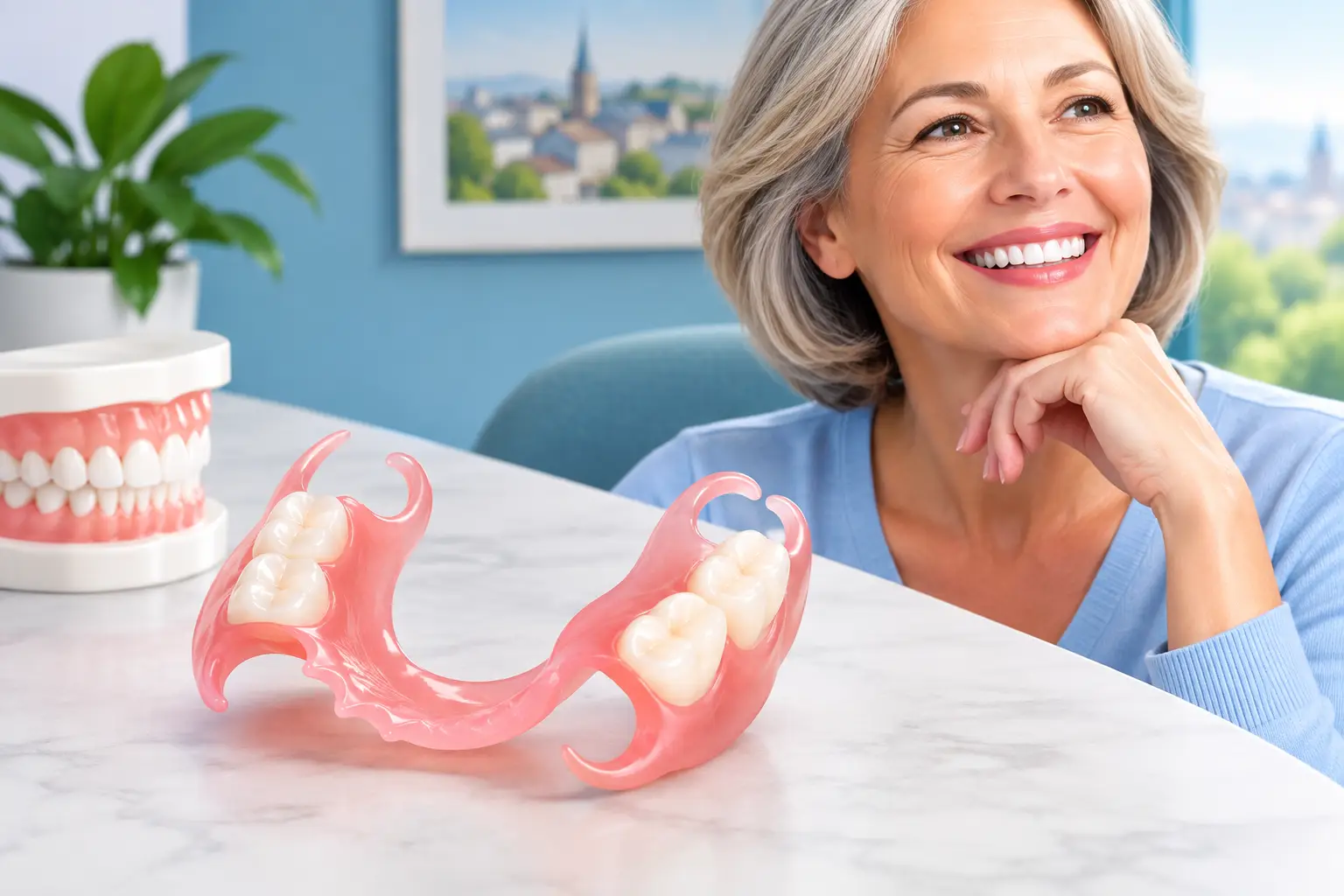
A denture should help you eat, speak and smile without making you constantly aware that it is there. For people considering flexible dentures Luton, the appeal is clear: a lighter, more discreet alternative to some traditional removable dentures, designed to fit comfortably around your remaining teeth and gums.
Flexible dentures are not automatically the best choice for every gap or every mouth. The right option depends on how many teeth are missing, the condition of your gums, the shape of your jaw and what you need from your denture day to day. A proper clinical assessment is the best starting point, particularly if you have experienced a loose, bulky or visible denture before.
What are flexible dentures?
Flexible dentures are removable replacement teeth made with a pliable, gum-coloured base rather than the rigid acrylic commonly used in conventional dentures. The material bends slightly as it is fitted, allowing it to sit closely against the contours of the mouth. Where clasps are needed to hold a partial denture in place, they are often made from the same gum-coloured material rather than metal.
This can make flexible dentures a popular choice for replacing one or several missing teeth, especially in visible areas of the smile. The base is thin and can look less noticeable when you laugh or talk. Many patients also find that the absence of metal clasps gives them more confidence.
They are still a removable dental appliance, not a fixed replacement. You take them out to clean them and, unless advised otherwise by your dentist, to rest your gums overnight. They need the same care and attention as any other denture.
Why patients choose flexible dentures in Luton
The biggest benefit is often comfort. A flexible base may feel less bulky than a traditional acrylic denture, and its close fit can reduce the rubbing that some people associate with removable teeth. That does not mean a new denture should be painful or that you should simply tolerate sore spots. Your mouth needs a short adjustment period, but persistent discomfort deserves a review.
Appearance matters too. Flexible dentures can be made with natural-looking teeth and discreet gum-coloured clasps, making them particularly useful when replacing teeth near the front or sides of the mouth. For patients who feel self-conscious about a visible metal clasp, this can be a meaningful difference.
They are also lightweight. If you have worn an older acrylic plate that felt heavy across the roof of your mouth, a flexible partial denture may feel more manageable. However, the design varies by case. Replacing several teeth, or teeth at the back that take heavy chewing forces, may call for a different construction.
At U Smile Dental, the aim is to recommend a solution that suits your smile, comfort and budget rather than offering the same appliance to every patient. A clear consultation helps you understand the likely result before treatment begins.
Flexible dentures versus acrylic dentures
Acrylic dentures remain a reliable and widely used option. They can be an excellent choice for full dentures, temporary dentures after extractions, or cases where future teeth may need to be added. They are generally easier to alter or repair if the fit changes over time.
Flexible dentures have strengths, but there are trade-offs. Their pliable material and slimmer profile can feel more comfortable and look more discreet. On the other hand, they are not always as straightforward to adjust, reline or repair as acrylic dentures. If your gums and bone change after tooth removal, a replacement may sometimes be more practical than altering the existing flexible denture.
For this reason, the question is not simply which denture is “better”. It is which material and design will give you dependable function in your particular situation. A partial denture replacing a small number of front teeth may have different requirements from a full lower denture or a denture replacing multiple back teeth.
When flexible dentures may be a good fit
Flexible dentures may be worth considering if you have a few missing teeth, healthy enough remaining teeth for support and a preference for a discreet removable option. They can also suit patients who have found rigid acrylic uncomfortable or who want to avoid visible metal clasps.
They may be less suitable where there is significant gum disease, very mobile remaining teeth, a heavily worn bite or substantial changes expected after recent extractions. These issues do not mean you cannot replace missing teeth. They simply mean another approach, such as a conventional denture, bridge or dental implants, may provide a more stable long-term answer.
What happens during a denture consultation?
Your appointment should feel straightforward, not intimidating. Your dentist will examine your teeth, gums and bite, discuss what you find difficult with your current denture if you have one, and ask what matters most to you – whether that is eating comfortably, improving appearance, avoiding metal clasps or managing the cost of treatment.
X-rays may be recommended to check the health of teeth and supporting bone. This is particularly useful if you are considering a partial denture, because the remaining teeth need to be stable enough to support it. If there are signs of decay, infection or gum disease, dealing with these first protects the investment you make in your new smile.
Impressions or digital scans are then taken to create a denture that follows the shape of your mouth. The dental laboratory makes the appliance to the agreed design, with shade and tooth shape selected to look in keeping with your natural smile. At the fitting appointment, your dentist checks the bite, comfort and appearance carefully.
Small adjustments are normal in the early days. Your cheeks, tongue and gums need time to adapt, and areas that seemed comfortable in the chair can feel different once you begin eating and speaking normally. Keep any follow-up appointment offered, especially if you notice rubbing, clicking, looseness or difficulty biting together.
Getting used to your new denture
Most people adapt well, but patience helps. Start with softer foods cut into smaller pieces, then build up gradually as your confidence returns. Try chewing on both sides at once where possible, as this can help keep a partial denture balanced. Reading aloud at home can also help your tongue get used to forming sounds around your new teeth.
A little extra saliva and a feeling of fullness can happen initially. These sensations usually settle as your mouth adjusts. If the denture causes a sharp sore spot, moves significantly when you talk or makes eating difficult after the settling-in period, contact the practice. Do not attempt to bend, trim or repair it yourself.
Denture adhesive is not usually a substitute for a properly fitting denture. It may have a limited role for some people, but recurrent looseness needs a professional assessment. Changes in gum shape, weight loss, tooth movement and natural bone shrinkage can all affect fit over time.
Caring for flexible dentures
Clean your flexible denture daily using a soft denture brush and a cleaner suitable for its material. Ordinary toothpaste can be too abrasive and may leave tiny scratches where plaque and staining collect. Rinse the denture after meals, and clean your gums, tongue and remaining teeth as carefully as you would without a denture.
Handle it over a folded towel or a basin partly filled with water, as a drop onto a hard surface can damage the teeth or denture base. Avoid very hot water, which may affect the shape of the material. When it is out of your mouth, follow your dentist’s advice on storage and soaking products, as not every denture cleaner is appropriate for every flexible material.
Regular dental check-ups remain essential. A denture can hide problems around the supporting teeth, and your gums, bite and oral tissues should be checked even if you have no natural teeth remaining.
Are implants a better alternative?
For some patients, dental implants provide greater stability than any removable denture. They can support a fixed bridge or help secure a removable denture so it does not move during meals or conversation. This can be life-changing for people struggling with loose lower dentures.
Implants require suitable bone, healthy gums and a commitment to good cleaning and maintenance. They also involve a higher initial cost and a longer treatment process. Flexible dentures can be an excellent standalone option or a practical way to replace teeth while you consider longer-term treatment.
The best next step is to discuss how you want your teeth to look and function, rather than choosing by material alone. With the right examination and a denture made for your mouth, you can make a comfortable, informed choice that supports your confidence every day.