 Cosmetic, Implant and General Dentistry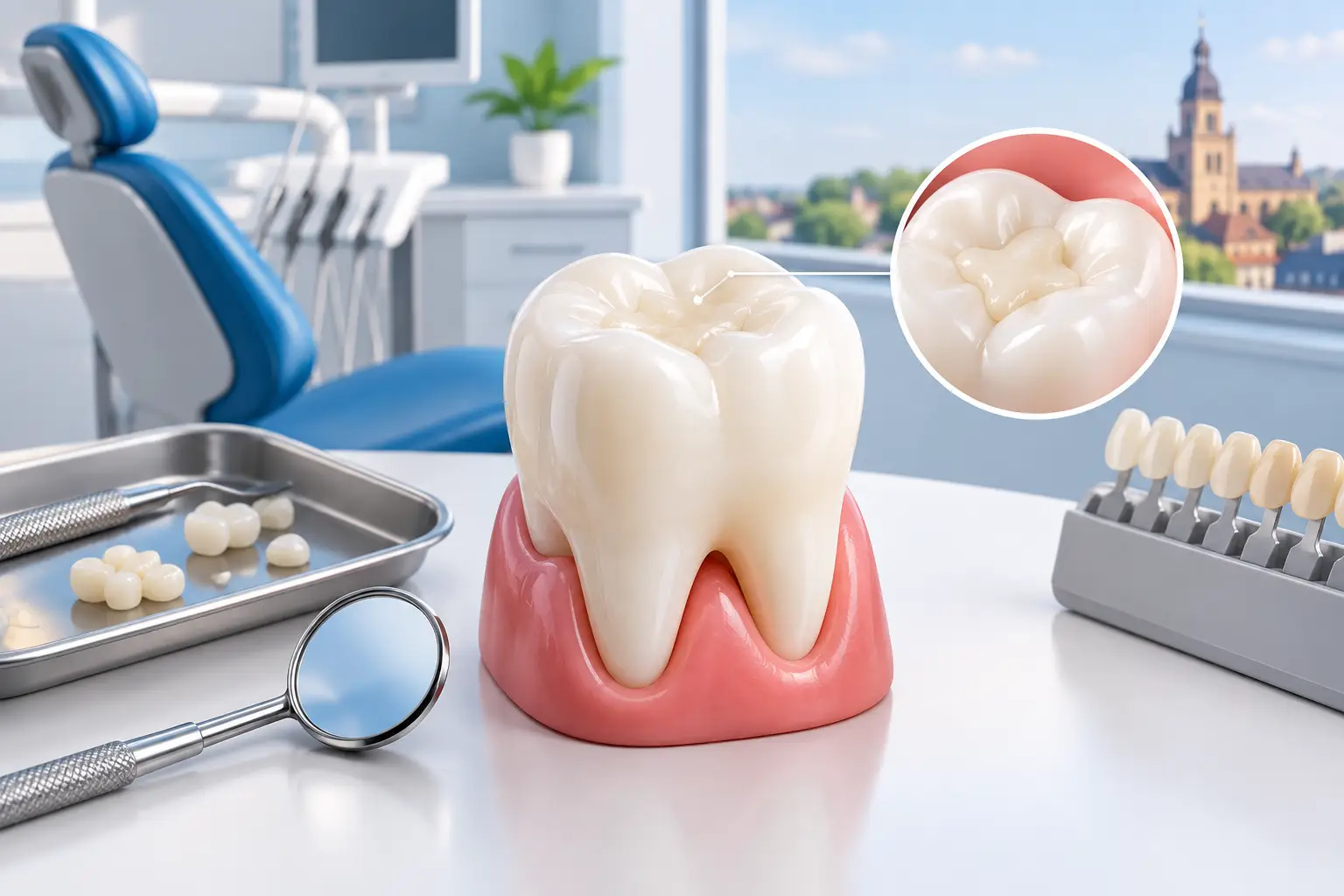
A small dark mark on a tooth can feel far more noticeable than it ought to, particularly when you laugh, speak or appear in photographs. Tooth coloured fillings Luton patients choose are designed to repair decay, chips and worn areas without leaving the obvious silver appearance associated with traditional amalgam fillings. They are a practical restorative treatment, but they also make a real difference to how confidently you show your smile.
White fillings are not simply a cosmetic alternative. They can protect a tooth that has been weakened by decay, replace an old filling that no longer seals properly, and restore a more natural shape after a minor break. The right approach depends on the tooth, the size of the damaged area and how much pressure it takes when you bite.
What are tooth coloured fillings?
Tooth coloured fillings are usually made from a composite resin. This is a durable material available in a range of shades, allowing the dentist to match the filling closely to your natural enamel. Once placed and shaped, it is set with a special curing light and polished so that it blends with the surface of the tooth.
For many patients, the greatest benefit is discretion. A composite filling can be a particularly good option for front teeth, where a metal filling would be clearly visible, but it is also widely used on back teeth. If you have an old grey filling that shows when you smile, replacing it with a carefully colour-matched composite can make the tooth look more natural.
Composite also bonds directly to the tooth. In suitable cases, this can mean less healthy tooth structure needs to be removed than with some older filling techniques. That said, every tooth is different. A very large cavity, a deep fracture or a tooth that has already had substantial treatment may need the added protection of an onlay or crown instead.
When a white filling may be the right choice
A white filling is often recommended when decay has created a small or medium-sized cavity, when a corner of a tooth has chipped, or when an existing filling is cracked, stained or leaking around the edges. It can also be used for small cosmetic improvements, such as smoothing a rough edge or closing a minor gap where appropriate.
The key question is not only whether the tooth can be made to look better, but whether it will be strong enough for everyday use. Back teeth absorb considerable biting forces, especially if you grind your teeth or regularly clench your jaw. When too much of the tooth is missing, a filling can flex under pressure and may eventually crack or come away. In that situation, a porcelain or ceramic restoration may offer better long-term support.
If decay is close to the nerve, the tooth may first require root canal treatment. If gum disease is present, that should also be assessed and managed as part of a wider plan for your oral health. A filling is highly effective for the right problem, but it should never be used to disguise a more serious issue.
Replacing old amalgam fillings
Many people ask whether all silver fillings should be replaced with white ones. There is no automatic need to change a filling that is sound, comfortable and properly sealed. However, replacement may be sensible if the old filling has fractured, the surrounding tooth has cracked, there is new decay beneath it, or you would prefer a less visible result.
Your dentist should examine the tooth rather than make a decision based on appearance alone. Removing a large old filling can reveal that the remaining tooth walls are thin. Occasionally, the most sensible next step is not another filling but a crown that protects the tooth from further damage.
What happens during treatment?
White filling treatment is usually completed in one appointment. The tooth and surrounding area are numbed with local anaesthetic if needed, so you should be comfortable throughout. For small cosmetic repairs, anaesthetic may not always be necessary, but your comfort comes first.
The dentist removes decay or damaged filling material and cleans the prepared area. Composite is placed in small layers, with each layer hardened using a curing light. Building the material gradually helps create a secure bond and allows the tooth to be shaped accurately.
The final stage matters just as much as the first. The filling is adjusted to ensure your bite feels natural, then smoothed and polished. You should not feel a sharp edge or a high point when you close your teeth together. It can take a few days to become fully accustomed to a filling, but persistent sensitivity or discomfort when biting should be checked promptly.
How long do tooth coloured fillings last?
There is no single lifespan that applies to every filling. A well-placed composite filling can last many years, but its longevity depends on its size, location, your bite and how well you care for your teeth. A small filling in a low-pressure area may last longer than a large filling on a molar used heavily for chewing.
Good brushing, daily cleaning between the teeth and regular dental examinations all help. Sugar intake matters too, particularly frequent snacks and sweet drinks, because new decay can develop around the edge of any filling if plaque is allowed to build up. If you clench or grind your teeth, a night guard may help protect both natural teeth and restorations.
Composite can pick up surface staining over time, especially with tea, coffee, red wine or smoking. Polishing may refresh minor staining, but a filling does not whiten in the same way as natural enamel. If you are considering professional tooth whitening, it is worth discussing the order of treatment first. Often, whitening is completed before a visible filling is colour matched.
Tooth coloured fillings in Luton: appearance and value
Choosing a private dentist for tooth coloured fillings in Luton gives you the opportunity to discuss both function and appearance. Shade selection, careful shaping and a polished finish are especially valuable on teeth that show when you smile. It is not just about filling a hole – it is about restoring the tooth in a way that feels comfortable and looks right for you.
Cost will vary according to the size of the filling, the tooth involved and whether old material needs to be removed. A small repair is usually more straightforward than rebuilding a heavily broken tooth. While the lowest initial price can be tempting, a filling that is poorly matched to the bite or placed without careful finishing may need attention sooner. Clear advice about the condition of the tooth helps you decide whether a filling represents good value or whether a longer-lasting restoration would be wiser.
At U Smile Dental, patients can discuss white fillings as part of a wider treatment plan, whether the priority is relieving sensitivity, replacing an old restoration or improving the appearance of a visible tooth. Consultations can be explained clearly in English, German, Spanish, Persian or Romanian, helping you make an informed choice without feeling rushed.
Looking after your new filling
Once the numbness has worn off, you can usually return to normal eating. It is sensible to avoid biting hard foods until you are sure the tooth feels comfortable, particularly after a larger filling. Maintain your usual brushing routine with fluoride toothpaste and clean between the teeth daily, taking care around the gumline where decay often begins.
Contact your dentist if a filling feels high, becomes rough, chips, causes ongoing pain or if you notice sensitivity that does not settle. Addressing a small issue early can prevent a more extensive repair later.
A tooth coloured filling may be a modest treatment, but it can protect a vulnerable tooth and remove a daily source of self-consciousness. The most helpful next step is a proper assessment, so you know whether a discreet composite repair is enough or whether your tooth would benefit from stronger protection.