 Cosmetic, Implant and General Dentistry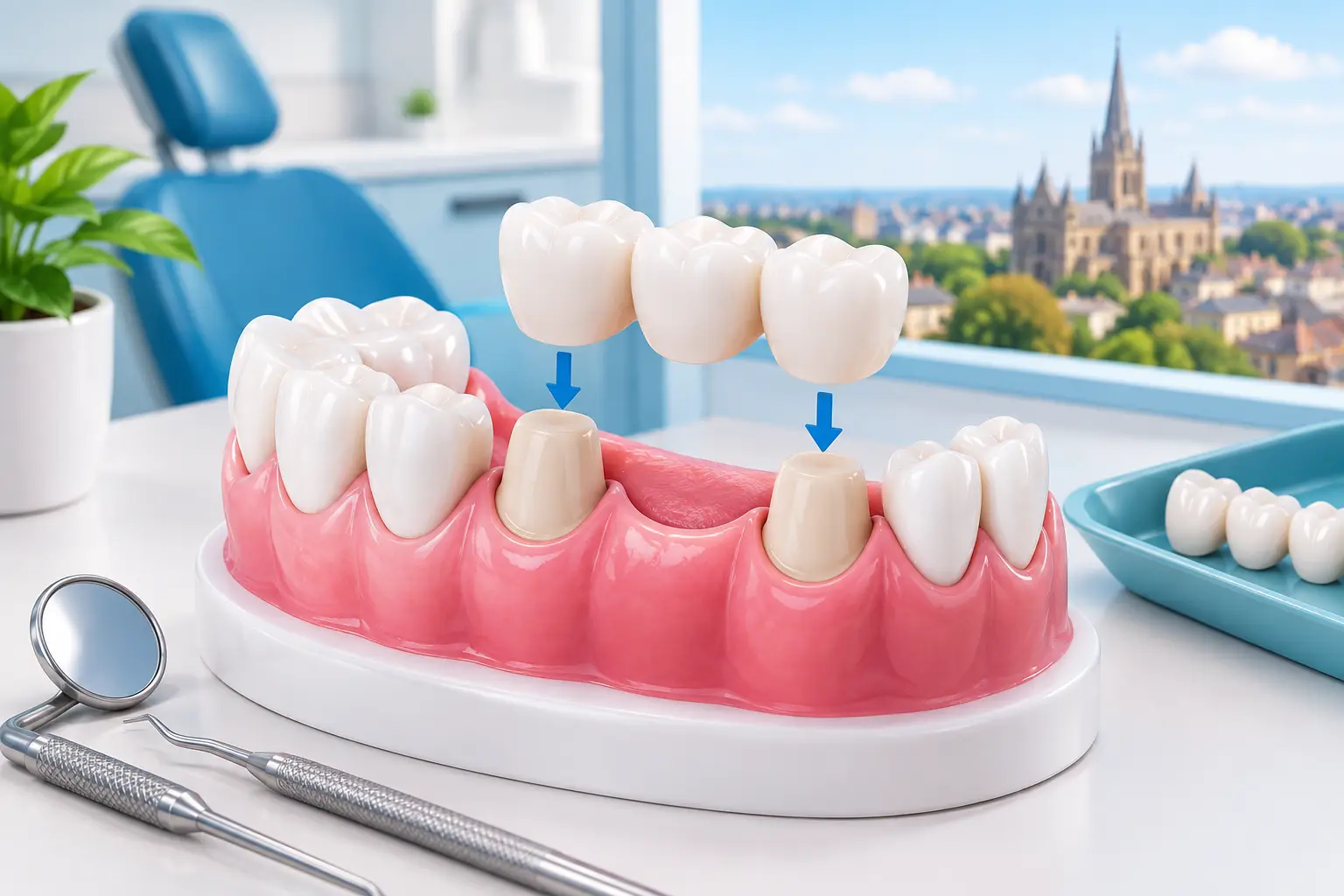
A missing tooth can change more than the look of your smile. It can make chewing less comfortable, affect the way you speak and leave neighbouring teeth with space to drift. For people considering dental bridges Luton treatment, the key question is not simply how to fill a gap, but which solution will feel secure, look natural and suit their long-term dental health.
A dental bridge is a fixed restoration designed to replace one or more missing teeth. Unlike a removable denture, it stays in place and is made to blend with the shape and shade of your natural teeth. For many patients, it offers a practical balance of appearance, function and value – particularly when the teeth either side of the gap are already heavily filled, worn or need crowns.
What is a dental bridge?
A traditional bridge uses the teeth on either side of a gap as support. These supporting teeth are carefully prepared and covered with custom crowns, with an artificial tooth or teeth held between them. Once fitted, the bridge restores the visible space and helps you bite and chew with greater confidence.
There are several ways a bridge can be designed. A conventional bridge is supported by crowns on both sides of the gap. A cantilever bridge is supported from one side and may be appropriate in selected areas where bite forces are lighter. A resin-bonded bridge, sometimes called a Maryland bridge, uses a discreet wing bonded behind a neighbouring tooth and can involve very little preparation. Implant-supported bridges are attached to dental implants rather than natural teeth, making them a strong option when several teeth are missing or adjacent teeth are healthy and should be left untouched.
The best choice depends on where the tooth is missing, your bite, the health of your gums and supporting teeth, and what you want from treatment. A bridge is not a one-size-fits-all answer, which is why a proper clinical assessment matters.
When dental bridges in Luton may be a good option
A bridge can be especially suitable when you want a fixed replacement without the surgical element of an implant. It can also be an efficient option if neighbouring teeth already require crowns, as the treatment can restore and protect them while replacing the missing tooth.
Appearance is another important consideration. A well-made porcelain bridge can be colour matched to your smile and shaped to suit your facial features and surrounding teeth. This is particularly valuable when a front tooth is missing, where small details such as translucency, length and gum contours make a real difference.
Function matters just as much. Leaving a gap for a long period can allow opposing or neighbouring teeth to move. That may alter how your teeth meet and make cleaning more difficult. Replacing a missing tooth can help maintain a more stable bite, although it cannot prevent every natural change that occurs over time.
A bridge may not be the right choice if the supporting teeth are weak, mobile or affected by active gum disease. In these cases, treating the underlying problem first is essential. An implant, a denture or a different restorative plan may be more appropriate depending on the condition of your mouth and your budget.
The treatment process, from assessment to fitting
Your first appointment should begin with a clear conversation about the tooth you have lost, any symptoms you are experiencing and what you hope to achieve. Your dentist will examine your teeth and gums, assess your bite and may take X-rays or digital scans to check the roots, bone levels and surrounding structures.
If a traditional bridge is suitable, the supporting teeth are prepared under local anaesthetic so there is no discomfort during the procedure. A detailed impression or digital scan is then used to create the final bridge. You may receive a temporary restoration while the custom bridge is being made, helping you avoid an obvious gap and protecting prepared teeth.
At the fitting visit, the bridge is checked carefully for comfort, shade, shape and bite before it is secured. A bridge should not feel bulky or stop you closing your teeth naturally. There can be a short period of adjustment as your tongue and cheeks become used to the new contours, but most patients settle quickly.
For a resin-bonded bridge, preparation is often minimal and the process can be more conservative. Implant-supported treatment follows a different timetable because implants need time to integrate with the bone before the final bridge is fitted. This can take longer, but it avoids placing crowns on healthy neighbouring teeth.
How long do dental bridges last?
With good care, a quality bridge can last many years. Its lifespan is influenced by the materials used, the precision of the fit, the health of the supporting teeth and gums, and how much pressure it takes when you bite. Grinding or clenching, untreated gum disease and poor cleaning around the bridge can all shorten its life.
Daily care is straightforward but needs to be thorough. Brush twice a day with fluoride toothpaste and clean beneath the replacement tooth using floss threaders, interdental brushes or a water flosser recommended by your dentist. The area where the bridge meets your natural teeth needs particular attention, as plaque can gather around the edges of crowns if it is not removed effectively.
Regular dental examinations and hygiene appointments allow small issues to be identified early. If you notice bleeding gums, a loose feeling, sensitivity, an unpleasant taste or a change in your bite, arrange an appointment rather than waiting for the problem to worsen.
Bridge, implant or denture: making the right comparison
Patients often ask whether a bridge is better than an implant. The honest answer is that it depends. An implant replaces the missing root as well as the visible tooth, so it can help preserve bone in the area and does not rely on adjacent teeth for support. It is often an excellent long-term choice, but it requires a surgical procedure, adequate bone and a greater upfront investment.
A traditional bridge usually takes less time to complete and can be more cost-effective initially. It may make particular sense where neighbouring teeth need restoration anyway. However, it does involve those teeth, and they will remain part of the bridge’s long-term care.
A removable denture can be the most affordable way to replace several teeth, especially where many teeth are missing. Modern dentures can look very natural, but some patients prefer the stability of a fixed bridge. There is no universally best treatment – there is the option that best matches your dental condition, expectations and finances.
What affects the cost of a dental bridge?
Bridge fees vary because every case is different. The number of teeth being replaced, the bridge design, the material selected and any preparation needed beforehand all affect the final cost. Gum treatment, root canal treatment or strengthening a supporting tooth may be necessary before a bridge can be placed safely.
It is worth looking beyond the headline figure. A precise assessment, carefully planned bite and natural-looking laboratory work all contribute to how comfortable and durable a bridge will be. Ask for a written treatment plan that explains the recommended option, what is included and whether payment options are available. Clear information makes it easier to compare private treatment fairly.
At U Smile Dental, bridge planning is approached with the same attention to function and aesthetics as other restorative treatments, with clear communication for patients who may feel anxious or prefer to discuss care in English, German, Spanish, Persian or Romanian.
A confident next step for your smile
The right bridge should do more than fill an empty space. It should help you eat, speak and smile without drawing attention to the fact that a tooth was ever missing. Book a consultation when you are ready to discuss your options, bring any questions about timing or cost, and let your dentist help you choose a solution that feels right for your smile and your everyday life.