 Cosmetic, Implant and General Dentistry
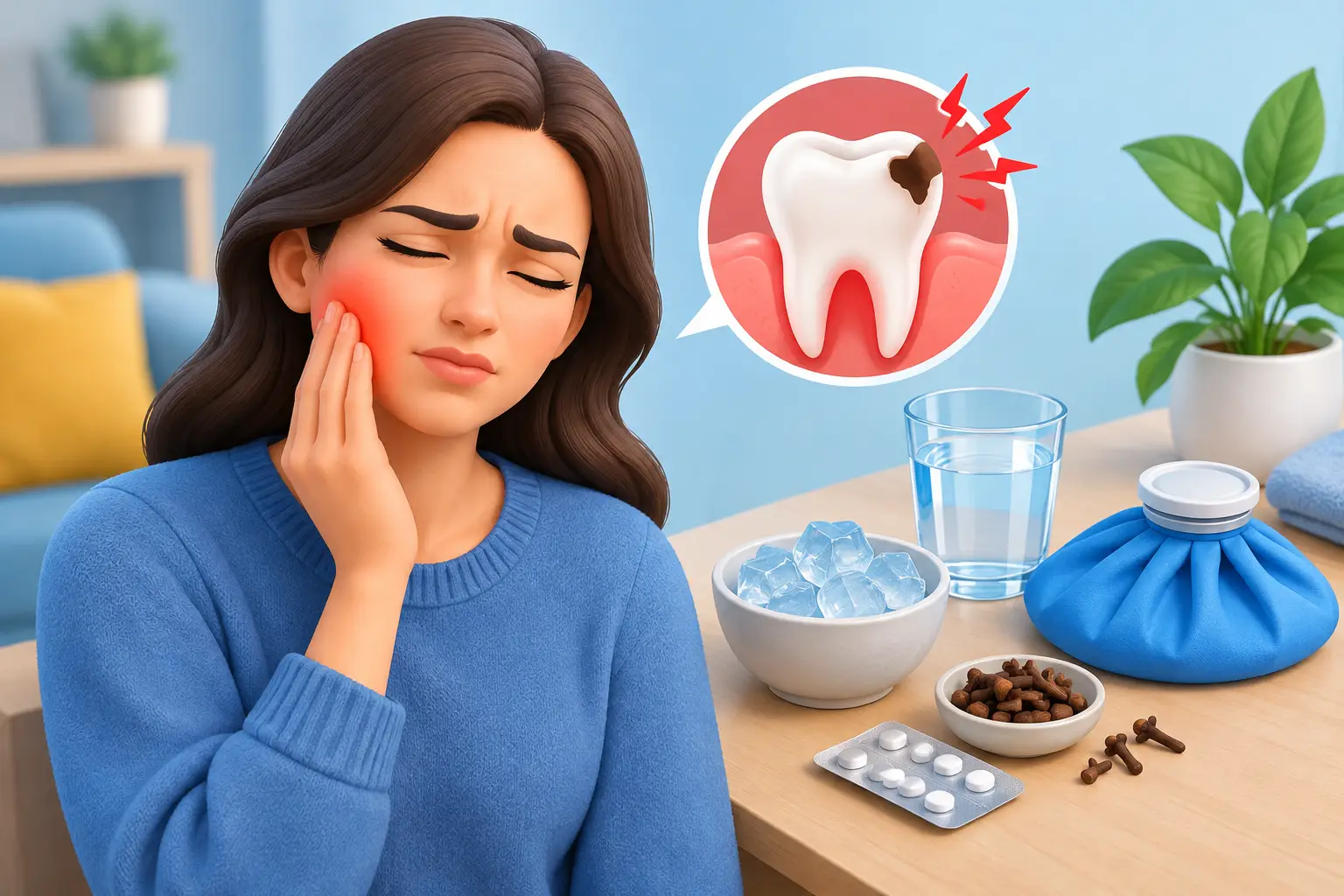
A toothache has a way of taking over everything. Eating, sleeping, working and even speaking can become difficult when a tooth starts throbbing. If you are wondering how to stop toothache pain, the honest answer is that home care can ease the discomfort, but a dentist is needed to find and treat the cause.
Tooth pain is not something to simply put up with, particularly if it is worsening, keeps returning or affects your sleep. Early treatment is often simpler, more comfortable and more cost-effective than waiting until a small problem becomes an emergency.
How to stop toothache pain at home
Start by gently cleaning around the sore tooth. Brush with a soft toothbrush and floss carefully, as trapped food between teeth can create surprising pressure and pain. Rinse your mouth with warm water afterwards. If the gum looks irritated or there is debris you cannot safely remove, do not probe at it with pins, toothpicks or other sharp objects.
A warm salt-water rinse can soothe tender gums and help keep the area clean. Mix half a teaspoon of salt into a glass of warm water, swish gently for around 30 seconds, then spit it out. This is not a cure for infection or decay, but it can offer temporary comfort while you arrange an appointment.
Over-the-counter pain relief may help if it is suitable for you. Follow the instructions on the packet carefully and do not take more than the stated dose. Ibuprofen can be useful for dental pain involving inflammation, while paracetamol may be a suitable option for others. Some adults can take both at different times, but this depends on their health, other medicines and the product guidance. Ask a pharmacist if you are unsure, especially if you are pregnant, have asthma, stomach ulcers, kidney or liver problems, take blood-thinning medication, or are treating a child.
A cold compress held against the outside of the cheek for short periods can reduce swelling and dull a sharp ache. Wrap it in a cloth rather than placing ice directly on the skin. If cold makes the tooth much worse, stop and use the other measures instead.
It also helps to avoid common triggers for a day or two. Choose soft, lukewarm foods and chew on the other side of your mouth. Very hot, cold, sweet or acidic drinks can trigger an exposed nerve or sensitive area. Keeping your head slightly raised with an extra pillow may make night-time throbbing easier to manage.
What not to do for a toothache
Do not place aspirin, clove oil, alcohol or any tablet directly on the tooth or gum. These can burn delicate mouth tissues and may make the pain and irritation worse. Clove oil is often mentioned as a traditional remedy, but it is not a reliable replacement for dental treatment and can be harmful when used incorrectly.
Do not start using leftover antibiotics. Antibiotics do not fix a tooth with decay, a cracked tooth or an inflamed nerve. They are only prescribed when a dentist believes there is a spreading bacterial infection or a specific clinical need. Taking them unnecessarily can delay the care you need and contributes to antibiotic resistance.
It is also tempting to wait for pain to disappear. Unfortunately, a tooth can stop hurting because the nerve inside has died, while infection continues to develop around the root. Relief without treatment is not always good news.
Why toothaches happen
A toothache is a symptom, not a diagnosis. The cause may be straightforward, such as food caught between teeth or a loose filling. It may also be caused by tooth decay, gum disease, a cracked tooth, a broken crown, an abscess, grinding your teeth, or an erupting wisdom tooth.
Pain that lingers after hot or cold food can suggest decay or a damaged nerve. A sharp pain when biting may point to a crack, a loose restoration or an issue with the tooth’s supporting tissues. A dull, persistent ache with swelling can indicate infection. Gum pain and bleeding may be linked to gum disease, which needs professional attention even if the tooth itself seems intact.
Only an examination, and sometimes an X-ray, can identify what is happening below the surface. The right treatment depends on the problem. A dentist may clean the area, place a filling, repair or replace a crown, treat gum disease, prescribe appropriate medicine where needed, or recommend root canal treatment to save an infected tooth. In some cases, extraction is the healthiest option, followed by a suitable replacement such as a bridge, denture or dental implant.
When a toothache needs urgent dental care
Arrange an urgent dental appointment if pain is severe, lasts more than a day or two, interrupts sleep, or does not settle with appropriate pain relief. You should also seek prompt help if you have swelling around the tooth or gum, a bad taste in the mouth, pus, fever, pain when biting, a broken tooth, or a filling or crown that has come out.
Same-day attention is particularly valuable when an infection is suspected. A dental abscess will not resolve properly without treating its source, and swelling can spread if it is left untreated. Nervous patients should not let anxiety put them off calling. A good emergency appointment is focused on getting you comfortable, explaining the findings clearly and discussing sensible next steps.
Call 111 or go to A&E immediately if swelling is affecting your eye, neck or throat, if you are struggling to breathe or swallow, or if you feel seriously unwell. These symptoms can indicate a more serious spreading infection and should not wait for a routine appointment.
How your dentist can provide lasting relief
The aim of emergency dental care is not simply to mask pain. It is to remove the cause where possible and protect the tooth for the future. If decay has reached the nerve, root canal treatment may clean the infection from inside the tooth and allow it to be restored with a strong filling or crown. If a tooth is badly fractured, your dentist can assess whether it can be rebuilt or whether replacement would provide a more predictable result.
For gum-related pain, professional cleaning and tailored gum care can reduce inflammation and protect the bone supporting your teeth. If clenching or grinding is contributing to the problem, a custom night guard may be discussed once the immediate issue is under control.
At U Smile Dental, patients in Luton can ask about same-day emergency appointments for urgent dental pain. Clear discussion of treatment choices, expected costs and timings can make a difficult situation feel far more manageable, whether you need a simple repair or more extensive restorative care.
Reducing the chance of another toothache
Once the immediate pain has been addressed, regular care makes a real difference. Brush twice daily with fluoride toothpaste, clean between your teeth each day and attend check-ups at the interval recommended for you. This may be more frequent if you have gum disease, several restorations or a history of decay.
Try to limit frequent sugary snacks and drinks rather than only focusing on the total amount. Every sugary sip gives mouth bacteria another opportunity to produce acid. Water between meals is a kinder choice for teeth, and chewing sugar-free gum after eating can help stimulate saliva if it is comfortable to do so.
A toothache can feel urgent because it is your body asking for attention. Use sensible measures to get through the next few hours, but arrange dental care soon so the relief is real, lasting and based on the treatment your tooth actually needs.