 Cosmetic, Implant and General Dentistry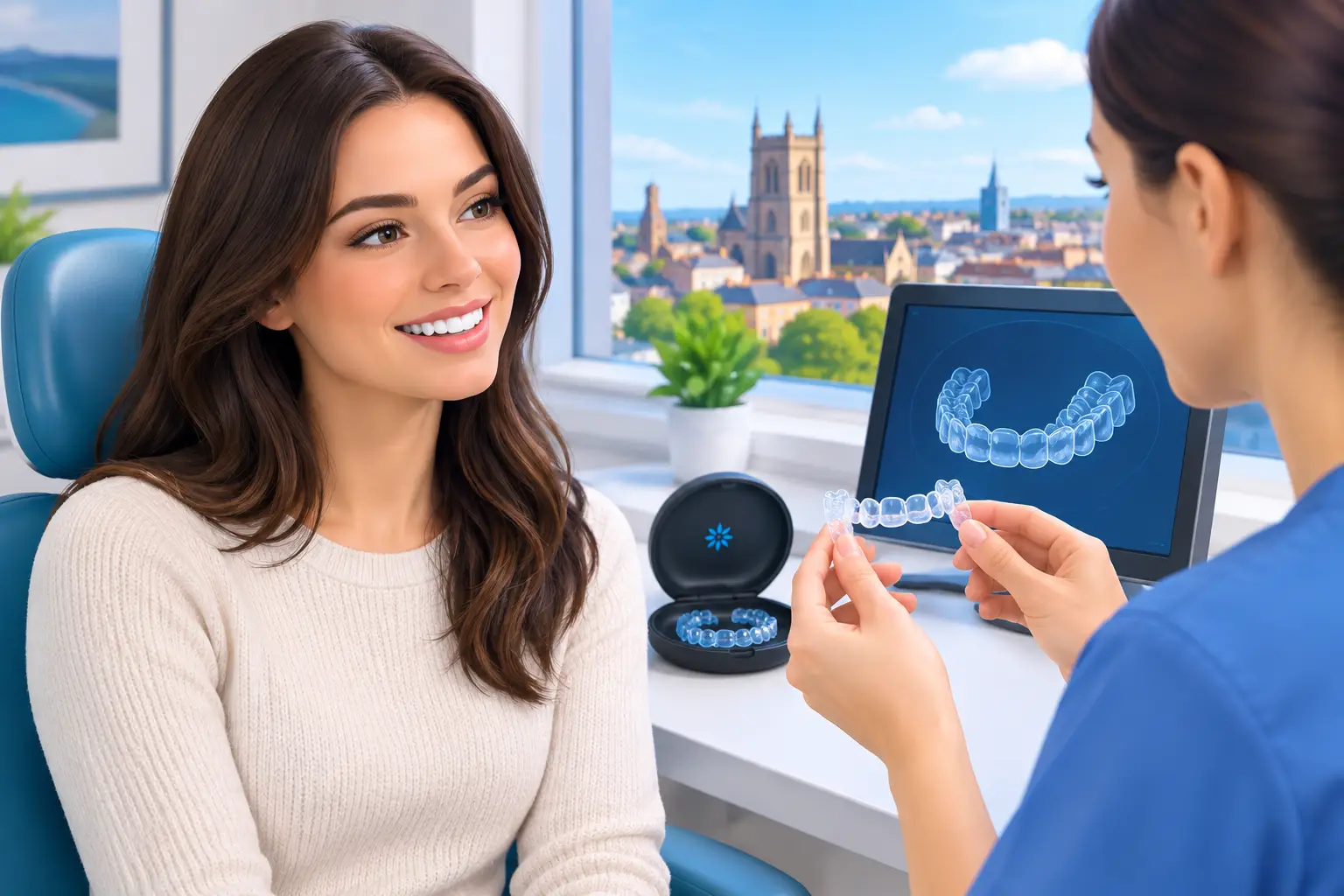
A smile can look healthy yet still make you hesitant in photographs, meetings or social situations because one tooth sits forward, there is a noticeable gap, or the lower teeth overlap. Invisalign treatment Luton patients choose is designed for these everyday concerns: a discreet way to straighten teeth without the appearance of fixed metal braces.
Clear aligners are not simply a cosmetic shortcut. They are a planned orthodontic treatment that moves teeth gradually, under professional supervision. The best results start with an honest assessment of what is possible for your teeth, bite, gums and lifestyle.
What Invisalign treatment involves
Invisalign uses a series of custom-made, clear plastic aligners. Each set is worn for around one to two weeks before moving to the next, applying gentle and controlled pressure to guide selected teeth into their planned positions.
Your dentist begins with a consultation and a detailed assessment. This may include digital scans, photographs and X-rays where clinically required. The information is used to create a personalised treatment plan, showing the expected stages of movement and a preview of the likely final result.
Once your aligners are ready, you will usually wear them for 20 to 22 hours each day. They should only come out for eating, drinking anything other than water, and cleaning your teeth. You will attend review appointments so your progress can be checked and your treatment kept on track.
For many adults, the ability to remove aligners is a major advantage. You can brush and floss as normal, rather than working around brackets and wires. You can also take them out briefly for an important occasion. That flexibility only works, however, if they go straight back in afterwards.
Who can benefit from Invisalign treatment in Luton?
Clear aligners can be an excellent option for adults and older teenagers with mild to moderate crowding, gaps, crooked front teeth or certain bite concerns. They are particularly popular with patients who want to improve their smile without drawing attention to orthodontic treatment at work or in their day-to-day life.
Treatment is not limited to the top front teeth. A properly planned case considers how both arches meet. Straightening teeth without checking the bite can create a result that looks better but is not as comfortable or stable as it should be.
Some more complex cases can also be treated with Invisalign, sometimes using small tooth-coloured attachments to give the aligners a better grip. In other situations, fixed braces or a combined approach may be more suitable. Severe bite discrepancies, heavily rotated teeth, active gum disease and teeth that need restorative treatment first all require careful consideration.
That is why a consultation matters more than a generic promise of a quick straight smile. Your dentist should explain whether aligners are appropriate, what compromises may be involved, and whether there are alternatives worth considering.
The commitment that makes the difference
Invisalign can be subtle, but it is not passive treatment. Consistency is one of the strongest predictors of a good outcome. If aligners are left out for long periods, teeth may not move as planned and treatment can take longer.
Cleaning is straightforward but should be part of your routine. Rinse aligners whenever you remove them, brush them gently with a soft toothbrush, and keep them in their case rather than wrapping them in a tissue. Clear aligners can stain if you drink tea, coffee, red wine or fizzy drinks while wearing them, and hot drinks may distort the plastic.
Good oral hygiene is equally important. Trapping food and plaque against teeth for most of the day can increase the risk of decay or inflamed gums. Brush twice daily with fluoride toothpaste, clean between your teeth, and attend recommended hygiene visits. If your gums bleed, feel sore or look swollen, it is sensible to address this before beginning tooth movement.
How long does treatment take?
There is no single answer because every smile starts in a different place. A small gap or minor relapse after previous braces may improve in a few months. More comprehensive alignment commonly takes 12 to 18 months, and complex cases can take longer.
The original estimate assumes that aligners are worn as instructed and appointments are attended. Teeth do not always respond identically to computer predictions, which is why refinements are sometimes needed near the end of treatment. These are additional aligners used to make final adjustments.
It is worth asking at your consultation what is included in the quoted treatment plan. A clear discussion should cover reviews, attachments, any enamel contouring if appropriate, refinements and retainers. Knowing this from the outset helps you compare value properly rather than focusing only on an advertised starting price.
Straight teeth are only one part of a confident smile
Many patients consider whitening, edge bonding, veneers or replacement of old discoloured fillings after orthodontic treatment. Aligning teeth first can often make later cosmetic work more conservative, as there may be less need to reshape healthy tooth structure to create a balanced appearance.
Timing matters. Whitening is usually considered once the teeth are straight, particularly if you want an even result across the visible teeth. Small chips or uneven edges can often be reviewed after alignment too, when the final shape and spacing are easier to judge.
If you have crowns, bridges, implants or veneers, Invisalign may still be possible, but the plan needs extra care. These restorations do not move in the same way as natural teeth, and their position may influence what can realistically be achieved. A dentist should assess the health and condition of existing dental work before making promises about the final result.
What happens after your last aligner?
The finishing stage is not the end of orthodontic care. Teeth naturally have a tendency to move over time, particularly the lower front teeth. Retainers help protect the time and money you have invested in your new smile.
You may be advised to wear clear removable retainers at night, or to have a discreet fixed retainer bonded behind the front teeth. Some patients benefit from both. The right option depends on your bite, the movements completed and how reliably you can maintain a removable retainer.
Retainers should be cleaned and checked regularly. If one becomes loose, cracked or lost, arrange an appointment promptly. A small delay can allow teeth to shift enough that the retainer no longer fits.
Choosing an Invisalign provider in Luton
Convenience matters when you are committing to treatment over several months, but clinical planning should lead the decision. Look for a private dental practice that explains the assessment clearly, provides a written outline of costs, and gives you time to ask questions without pressure.
You should feel comfortable discussing practical issues too: how often reviews are needed, what happens if an aligner is lost, whether evening or flexible appointments are available, and how refinements are handled. For patients who prefer to discuss treatment in another language, clear communication can make a significant difference to confidence and consent.
U Smile Dental offers Invisalign consultations in Luton within a wider range of cosmetic, restorative and general dental care. This can be helpful where teeth need cleaning, repairs, whitening or restorative planning alongside alignment, rather than treating straightening as an isolated service.
A well-planned Invisalign result should look like your own smile, only more balanced, easier to show and easier to maintain. The most useful next step is a consultation where you can see what your individual teeth may achieve and make a decision based on clear advice, not guesswork.