 Cosmetic, Implant and General Dentistry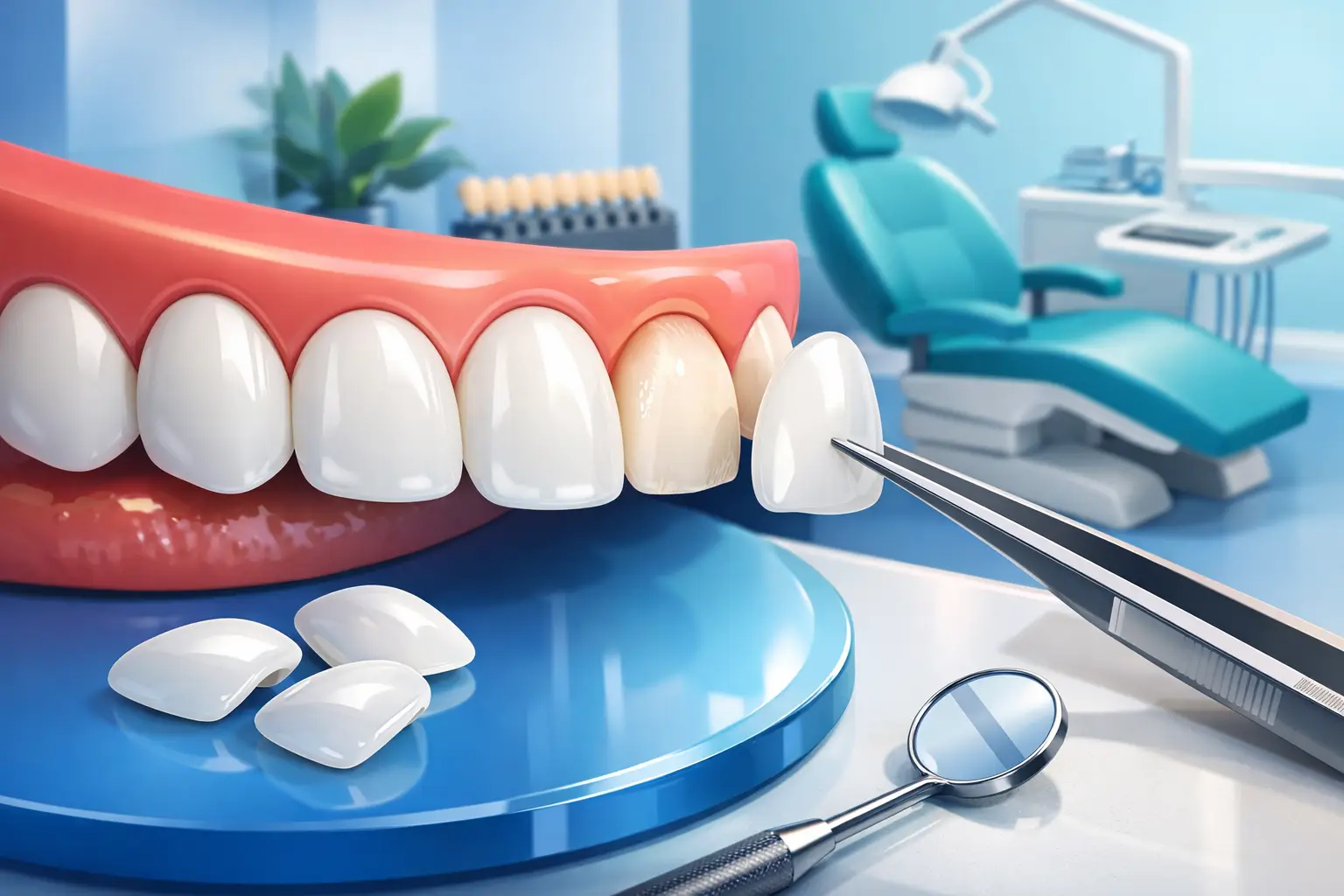
A chipped front tooth can make you think twice before smiling in photographs, while uneven shape, stubborn staining or small gaps may affect how confident you feel every day. Porcelain veneers Luton patients choose are designed to improve these visible concerns with a smile that still looks like it belongs to you – balanced, bright and natural rather than artificial.
Veneers are a popular cosmetic option because they can change the appearance of several teeth at once. However, they are not the right answer for every smile. A proper consultation should look at the health of your teeth and gums first, then consider what result is realistic for your face, bite and budget.
What porcelain veneers can improve
A porcelain veneer is a thin, custom-made shell fitted to the front surface of a tooth. Each one is designed around the tooth beneath it, then colour-matched and shaped to sit naturally alongside your surrounding teeth.
They are often considered for teeth that are discoloured and do not respond well to professional whitening, worn at the edges, chipped, slightly crooked or unevenly shaped. Veneers can also close small spaces between teeth and create a more consistent smile line.
The goal is not simply to make teeth as white as possible. The most attractive results take account of tooth proportions, lip shape, skin tone and how much of your smile shows when you speak. A gentle refinement may be right for one patient, while another may want a brighter, more noticeable Hollywood Smile result.
Porcelain veneers in Luton: who are they for?
Porcelain veneers can suit adults who have healthy teeth and gums but want to improve the appearance of their front teeth. They are particularly useful when several cosmetic concerns are present at the same time, such as staining combined with minor chips or irregular shape.
Before any cosmetic treatment, a dentist needs to check for decay, gum disease, old leaking fillings, bite issues and signs of tooth grinding. Placing veneers on unhealthy teeth can hide a problem temporarily, but it does not solve it. Treating the foundation first gives your new smile the best chance of lasting well.
They may not be the first recommendation if the main issue is tooth position. For noticeably crowded or rotated teeth, Invisalign alignment may preserve more natural tooth structure and provide a better long-term result. Whitening may be enough where colour is the only concern. Crowns may be more appropriate if a tooth is heavily broken down or has already had extensive treatment.
That is why a consultation matters. A good cosmetic plan should not sell you more dentistry than you need.
The treatment process, step by step
Your first appointment is about understanding what you would like to change and whether veneers are clinically suitable. You can discuss the shade, shape and number of teeth involved, as well as whether you prefer a subtle improvement or a more dramatic transformation.
If you decide to go ahead, the teeth usually need a small amount of preparation to create room for the porcelain. This is often minimal, but it is a permanent change to the tooth surface. In some cases, particularly where teeth are small or set back, little or no preparation may be possible. The exact approach depends on your natural teeth and the result being planned.
Impressions or digital scans are then taken so the laboratory can produce veneers that fit precisely. Temporary veneers may be fitted while the final porcelain restorations are being made, particularly where more significant preparation has been required.
At the fitting appointment, the dentist checks the appearance, fit and bite before bonding the veneers securely into place. Small adjustments may be made so that you can speak and bite comfortably. You should leave with clear advice on cleaning and caring for your new smile.
Natural-looking results come from careful planning
Porcelain has qualities that make it especially suitable for visible teeth. It reflects light in a similar way to natural enamel and tends to resist staining better than composite bonding. That does not mean every veneer looks the same. The difference between a convincing result and an overly uniform one is in the planning.
A natural smile has character. Teeth are not all identical in length, translucency or texture. Some patients want these small details retained, while others prefer a straighter, more symmetrical finish. Neither choice is wrong, but it should be discussed before treatment starts.
It is also sensible to think about shade carefully. Very bright veneers can look excellent, yet the chosen colour needs to work with any untreated teeth that show when you smile. If you are planning professional whitening for your natural teeth, this is normally considered before the final veneer shade is selected.
Veneers, bonding and crowns: understanding the difference
Veneers are not interchangeable with every cosmetic treatment. Composite bonding uses tooth-coloured resin, sculpted directly onto the tooth. It can be a more conservative and lower-cost option for minor chips, edges and gaps, and it is often easier to repair. However, composite may stain or wear sooner than porcelain and may need polishing or replacement over time.
Porcelain veneers are usually more durable and colour-stable, with a refined finish that suits a larger cosmetic change. They do involve laboratory work and can require tooth preparation, so the initial investment is typically higher.
A crown covers the whole tooth rather than only the front surface. It is generally chosen where a tooth needs strength as well as an improved appearance, for example after root canal treatment or where a large part of the tooth has been lost. The right option depends on the condition of each individual tooth, not just the look you want to achieve.
Looking after porcelain veneers
Veneers do not require complicated care, but they do need the same consistent attention as natural teeth. Brush twice daily with a soft toothbrush and fluoride toothpaste, and clean between the teeth every day. Healthy gums are essential because veneers sit close to the gum line.
Porcelain is strong, but it is not indestructible. Avoid using your teeth to open packaging, biting fingernails or chewing hard objects such as ice. If you grind or clench your teeth at night, a protective night guard may be recommended to reduce the risk of chips, cracks or damage to your natural teeth.
Regular dental examinations and hygiene visits allow small concerns to be spotted early. With careful planning, good oral hygiene and sensible habits, porcelain veneers can remain attractive for many years. Eventually, they may need replacement, so this should be viewed as a long-term commitment rather than a temporary beauty treatment.
Questions worth asking before you proceed
Before choosing porcelain veneers in Luton, ask how much tooth preparation is likely to be needed, whether an alternative treatment could meet your aims, and what happens if a veneer chips or comes loose. You should also understand the expected fees for your individual plan, including any temporary restorations, reviews and protective night guard if required.
Ask to see examples of smile transformations that reflect the style you are considering. This can help you explain whether you prefer a light, natural enhancement or a more uniform cosmetic finish. If you feel nervous about dental treatment, say so early. A calm explanation of each stage and appointments arranged around your schedule can make a major difference.
At U Smile Dental, cosmetic treatment is planned around your smile, not a one-size-fits-all template. Clear discussion at the start helps ensure that the final result feels confident, comfortable and worth the investment.
The best time to consider veneers is not when you feel pressured to copy someone else’s smile. It is when you know what you would like to improve, understand the commitment involved and can choose a result that still feels unmistakably like you.