 Cosmetic, Implant and General Dentistry
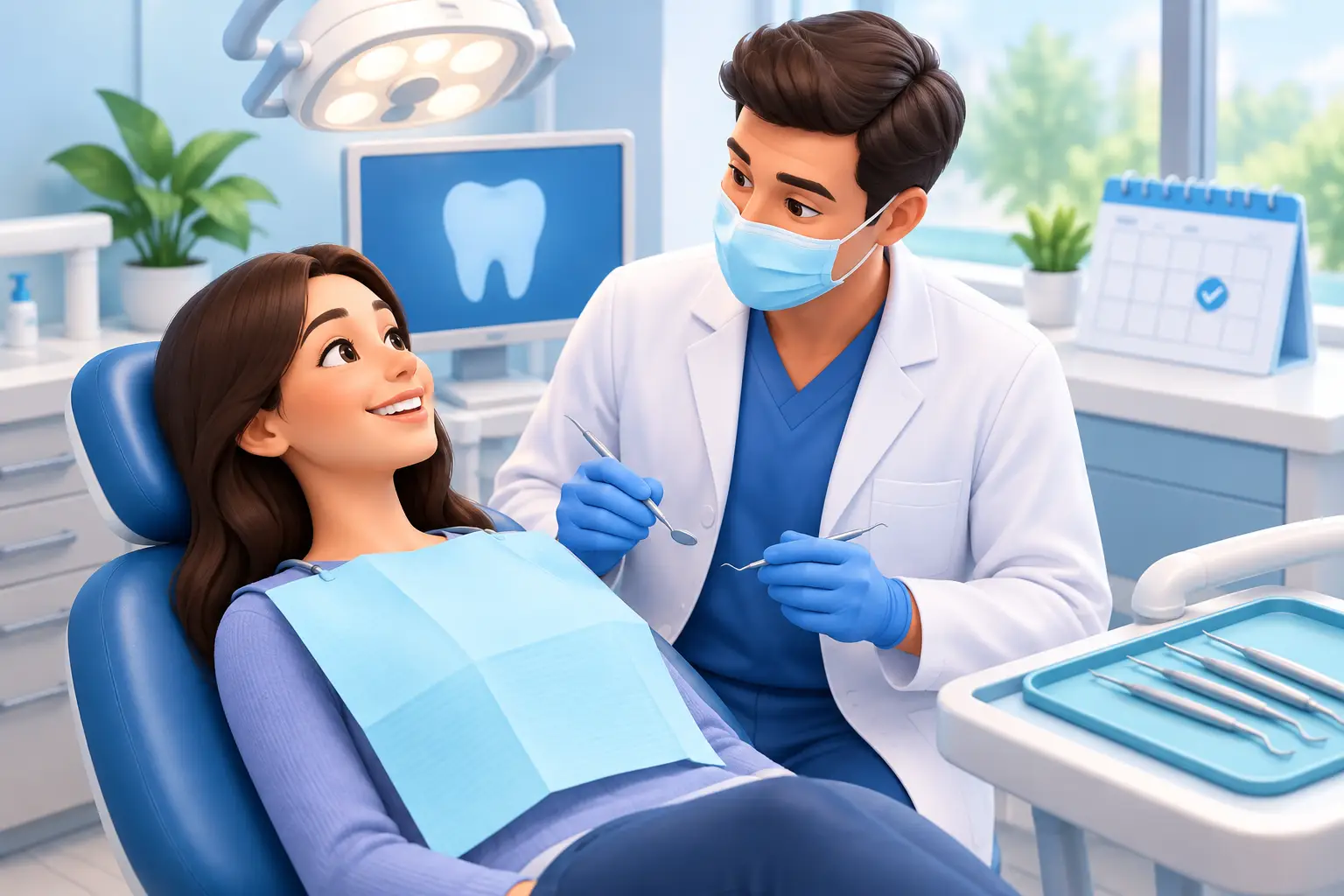
A broken tooth before a meeting, a denture that no longer feels secure, or a smile you have been hiding in photographs should not leave you waiting weeks for an answer. A private dentist can give you more control over when you are seen, how your treatment is planned and the type of result you want to achieve.
For many people, private dental care is not about choosing the most expensive option. It is about finding reliable appointments, clear advice and treatment that feels tailored to their needs. Whether your priority is getting out of pain, maintaining healthy teeth and gums, replacing missing teeth or improving the appearance of your smile, the right practice should make the process feel straightforward.
What should you expect from a private dentist?
Private care should begin with listening. Your dentist needs to understand what has brought you in, whether that is sensitivity, a damaged tooth, concerns about bleeding gums or a long-standing wish to feel more confident when you smile. A thorough consultation looks at the condition of your teeth and gums, your bite, previous dental work and any relevant medical history before recommendations are made.
You should also expect time to talk through your options. Some dental concerns have one obvious clinical answer, but many do not. A missing tooth, for example, may be replaced with a denture, bridge or dental implant. Each option has different costs, treatment times and maintenance needs. Good private dentistry is not about steering every patient towards the same solution. It is about explaining what is suitable and helping you make an informed choice.
Convenience matters too. Working adults, parents and patients travelling from across Bedfordshire, Buckinghamshire, Northamptonshire or further afield often need appointments that fit around real life. Access to prompt assessments, flexible scheduling and same-day emergency appointments can make a significant difference when discomfort cannot wait.
Private dentist appointments when you need them
Dental pain has a habit of arriving at the worst possible time. A cracked filling can become sharp, an old crown can loosen during a meal, and swelling or a severe toothache may need urgent attention. In these situations, the immediate goal is to identify the cause, relieve pain where possible and protect the tooth or surrounding tissues from further damage.
Emergency dental treatment is not always a complete fix in one visit. If an infection is present, for instance, the dentist may need to stabilise the tooth before completing root canal treatment or fitting a permanent restoration. That is still valuable. It gives you a clear plan and avoids leaving you unsure what to do next.
The same principle applies to routine care. Regular check-ups and hygiene visits can spot small concerns before they become larger, more costly problems. Gum disease can progress quietly, and decay beneath an old filling or crown may not hurt until it is advanced. Preventive appointments are a practical way to protect both your oral health and your future treatment budget.
Clear treatment plans make decisions easier
Before starting significant treatment, ask for a written plan that sets out what is recommended, why it is recommended, likely stages, expected fees and any alternatives. A clear plan helps you compare like for like if you are considering more than one practice.
Price is naturally part of the decision, particularly for implants, cosmetic dentistry or several teeth that need restoring. However, the lowest figure is not always the best value if it does not include the assessments, materials, laboratory work, reviews or aftercare you need. Equally, a higher fee does not automatically mean a better outcome. The useful question is whether you understand exactly what the treatment involves and feel confident in the care being proposed.
For extensive work, it may also be worth asking whether patient finance is available. Spreading the cost can make carefully planned treatment more manageable, provided you are comfortable with the terms and total amount payable.
Choosing treatment for function and appearance
A healthy smile and an attractive smile are closely connected, but they are not exactly the same thing. Restorative dentistry focuses on repairing damage, replacing missing teeth and restoring comfortable function. Cosmetic dentistry focuses on the colour, shape, alignment and overall balance of your teeth. Often, the best plan combines both.
A tooth with a large fracture may need a crown to restore strength. A tooth that has been discoloured after root canal treatment may benefit from a crown or veneer designed to blend naturally with neighbouring teeth. Missing teeth can affect chewing, speech and confidence, while also allowing nearby teeth to shift. Dental implants, bridges and dentures can all help, but the right choice depends on your bone levels, gum health, number of missing teeth, lifestyle and budget.
For patients considering a smile transformation, it is sensible to begin with the least invasive suitable option. Professional whitening can lift the shade of natural teeth. Invisalign alignment may improve spacing or crowding without fixed braces. White fillings can refine small chips or uneven edges. Porcelain veneers and crowns can create more substantial changes to tooth shape, colour and proportion where appropriate.
There are trade-offs. Whitening will not change the colour of existing crowns, veneers or fillings, so these may need replacing later if a closer colour match is desired. Veneers and crowns usually require some preparation of the natural tooth. Invisalign requires consistent wear and good cleaning habits. An honest consultation should cover these points, not only the finished smile.
Quality should still feel comfortable
Feeling nervous about dental treatment is common, even if you have visited a dentist regularly in the past. A calm explanation, gentle manner and the opportunity to ask questions can change the experience completely. Let the team know if you are anxious, have had a difficult experience before or need extra time during appointments.
Communication is particularly important when discussing complex care. Patients should never feel rushed into agreeing to implants, veneers or any other elective treatment. Being able to discuss your care clearly in a preferred language can also bring welcome reassurance. At U Smile Dental, consultations can be supported in English, German, Spanish, Persian and Romanian, helping more patients feel understood from the first conversation.
Questions worth asking before you book
The best first appointment is one where you leave with fewer uncertainties than you arrived with. You may want to ask how soon you can be seen, what will happen at the consultation and whether emergency appointments are available if your problem worsens. If you are considering cosmetic or restorative work, ask to see suitable examples of similar treatment and find out what follow-up care is included.
It is also reasonable to ask about the practice’s standards and experience. In England, CQC registration provides reassurance that a dental practice is regulated against essential quality and safety standards. Clean surroundings, clear consent processes and a team that explains treatment without jargon all matter.
Do not be embarrassed to discuss costs directly. Ask what is included in the quoted fee, whether there may be additional charges and when payments are due. Transparent conversations early on prevent surprises later and allow you to choose a plan that works for you.
When private care may be the right choice
Private dentistry can suit patients who want quicker access, more appointment flexibility or a broader range of aesthetic and restorative choices. It can be particularly helpful when you have an urgent concern, need several treatments coordinated into one plan or want to improve the appearance of your smile with whitening, veneers, crowns or tooth alignment.
That said, it depends on your needs. If your dental requirements are simple and you are happy with the available appointment options, another route may be perfectly suitable. Private care is most valuable when the added access, time, choice and personalised planning genuinely make a difference to your health, comfort or confidence.
Your smile does a great deal every day: it helps you eat, speak and feel at ease with other people. If something is stopping you from using it comfortably or showing it with confidence, a friendly consultation is a sensible place to start.