 Cosmetic, Implant and General Dentistry
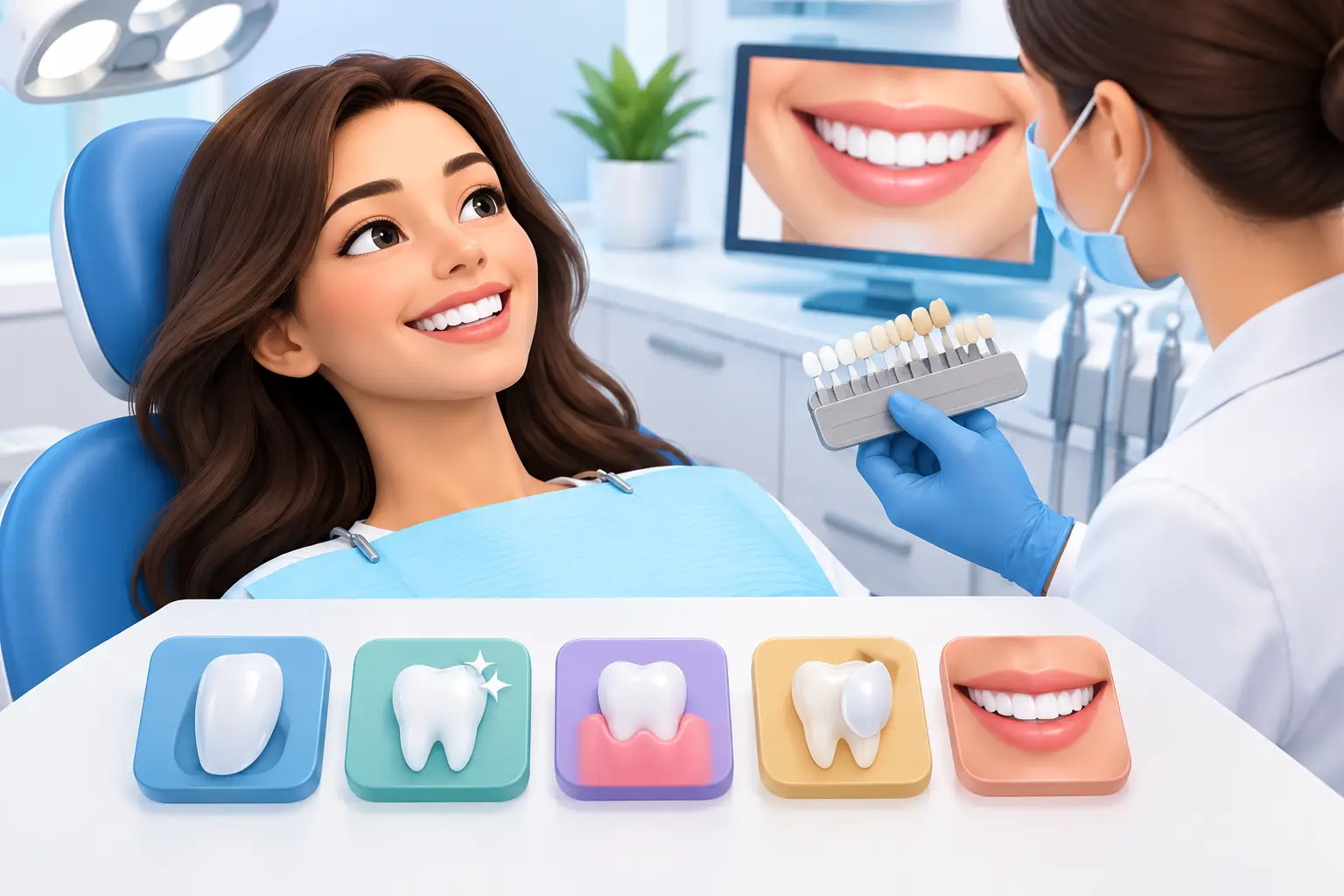
A smile change should feel like a considered decision, not a sales pitch. Cosmetic dentistry can brighten, straighten, repair or reshape teeth, but the right treatment depends on what you would like to improve, the health of your mouth and how natural or dramatic you want the result to look.
For some people, professional whitening is enough to bring their smile back to life. For others, worn, chipped, uneven or missing teeth may need a more comprehensive plan involving veneers, crowns, Invisalign or implants. The best results usually come from choosing the least invasive option that can reliably achieve the change you want.
What cosmetic dentistry can improve
Cosmetic dentistry focuses on the appearance of your teeth and smile, but good treatment should always protect function too. A bright, even smile is far more satisfying when you can bite comfortably, speak clearly and look after it without difficulty.
Common concerns include staining from tea, coffee, red wine or smoking; small chips and cracks; spaces between teeth; uneven tooth shapes; older dark fillings; crowding; and teeth that look short because they have worn down over time. It can also help when crowns, bridges or dentures no longer match the rest of your smile.
There is no single ideal smile. Some patients want a subtle improvement that still looks completely like them, while others prefer a noticeably whiter, more uniform Hollywood Smile appearance. A proper consultation should make room for both preferences. The aim is not to give every patient the same teeth, but to create a result that suits their face, colouring and expectations.
Choosing the right cosmetic dentistry treatment
The right option is usually clearer once your dentist has assessed your teeth, gums and bite. Photographs, X-rays and sometimes digital planning can show what is possible before any treatment begins. This is particularly valuable if you are considering several teeth or a full smile transformation.
Professional tooth whitening
Whitening is often the simplest starting point for healthy teeth that are stained or naturally darker in shade. Professional treatment can lift the colour of natural enamel more predictably than shop-bought products, and medical-grade Zoom whitening is designed to provide a controlled clinical option.
Whitening does not alter the colour of crowns, veneers, fillings or dentures. If you have visible dental work, it may need replacing afterwards to match your brighter teeth. Temporary sensitivity is also possible, especially if you already experience sensitivity to cold. Your dentist can advise whether whitening is suitable and how to manage this comfortably.
Porcelain veneers
Veneers are fine porcelain shells bonded to the front of teeth. They can improve the appearance of chips, small gaps, uneven edges, discolouration that does not respond well to whitening and minor shape concerns. They are popular because they can create a balanced, natural-looking result with relatively limited treatment.
However, veneers are not simply a shortcut to perfect teeth. Some preparation of the natural tooth may be needed, and veneers are a long-term commitment rather than a temporary beauty treatment. They can last well with careful oral hygiene and regular dental checks, but may eventually need repair or replacement. If the main issue is tooth position, Invisalign may be the more conservative choice.
Porcelain crowns
A crown covers the whole visible part of a tooth and is usually recommended when the tooth is weakened, heavily filled, broken, worn or root-treated. It can deliver a very attractive result, but it is also a restorative treatment with a practical role: protecting the remaining tooth structure.
Crowns may be the best choice for teeth that need both strength and a cosmetic improvement. They are generally not the first option for a healthy tooth that only needs a minor aesthetic change. Choosing the right treatment protects more of your natural tooth and can reduce unnecessary future work.
Invisalign clear aligners
If crooked, crowded or spaced teeth are affecting your confidence, Invisalign can gradually move them into a better position using discreet clear aligners. Straightening your own teeth may reduce the need to cover them with veneers or crowns, particularly where the teeth are healthy but misaligned.
Aligners need commitment. They must be worn for the recommended number of hours each day, removed for meals and cleaned properly. Treatment time varies according to the complexity of movement, and retainers are essential afterwards to help hold your new position. For patients willing to follow the plan, the outcome can be a more even smile while retaining their natural enamel.
Composite bonding and white fillings
White composite material can be used to repair chips, improve small gaps, replace visible metal fillings or refine the edges of teeth. It is often a conservative option because little or no enamel may need to be removed.
Composite is not as stain-resistant or as hard-wearing as porcelain, particularly for people who grind their teeth or regularly drink tea and coffee. It may need polishing, repairs or replacement over time. Still, it can be an excellent choice when a subtle improvement is wanted without committing to veneers.
Healthy gums come before a brighter smile
A cosmetic plan should never overlook gum health. Bleeding gums, persistent bad breath, loose teeth or gum recession can point to gum disease, which needs attention before elective aesthetic work begins. Placing veneers or crowns around unhealthy gums can compromise both the appearance and long-term success of treatment.
The same applies to decay, infection and bite problems. A toothache or broken tooth may need urgent restorative care before cosmetic choices are considered. This may feel like a delay, but treating the foundation first protects your investment and gives the final result a better chance of lasting.
How to plan a smile transformation sensibly
Start by being clear about what bothers you most. Is it colour, shape, tooth position, missing teeth or a combination of concerns? Bringing old photographs can help if you would like to restore a smile you once had, while examples of smiles you like can help communicate the level of change you are hoping for.
A trustworthy treatment plan should explain the sequence of care, not only the final procedure. You may benefit from hygiene treatment first, then whitening, then replacement crowns or veneers matched to your chosen shade. If teeth are crowded, straightening may come before bonding or veneers. Doing things in the right order can produce a better result and avoid paying to redo work later.
Ask what maintenance will be needed, how long treatment is likely to take and what happens if a restoration chips or comes loose. It is also sensible to discuss costs in full, including retainers, hygiene visits, temporary restorations and any follow-up appointments. Cosmetic treatment is personal, and a good plan should be clear enough for you to make a confident decision without pressure.
For larger treatment plans, value is not simply the lowest initial price. Materials, planning, clinical experience, laboratory quality and aftercare all influence the outcome. At the same time, high-quality private treatment should be accessible and explained in straightforward terms. U Smile Dental offers free consultations so patients can discuss suitable options, expected costs and the changes they would genuinely benefit from before committing.
Looking after your new smile
Whether you choose whitening, aligners, veneers or crowns, daily care matters. Brush twice a day with fluoride toothpaste, clean between teeth every day and attend regular check-ups and hygiene appointments. If you clench or grind your teeth, a night guard may help protect veneers, crowns and natural enamel.
Avoid using teeth to open packaging or bite hard objects, and take care with foods that can stain after whitening. If you have had Invisalign, wear your retainers exactly as advised. Small habits are what keep cosmetic results looking fresh rather than letting them fade too soon.
The most rewarding smile changes are the ones that still feel like your own. Choose treatment because it answers a real concern, take time to understand the options, and let healthy teeth and gums lead every decision.